I’ve spent the last few months trying different portable gaming monitors with a PS5, a gaming laptop, and occasionally a Steam Deck setup while traveling. Honestly, I didn’t expect portable monitors to improve this much. A few years ago, most of them felt like office screens that companies tried to market toward gamers. The refresh rates were weak, colors looked washed out, and many had terrible stands.
More recently, portable monitors were tried again during actual gaming instead of just quick setup tests.
Not every model impressed me though. A few had decent specs on paper but felt cheap once I actually started using them daily. Others looked great for movies but struggled during fast multiplayer games. After trying several options, these are the portable monitors I’d actually recommend in 2026 for PS5 and PC gaming.
ASUS ROG Strix XG16AHPE
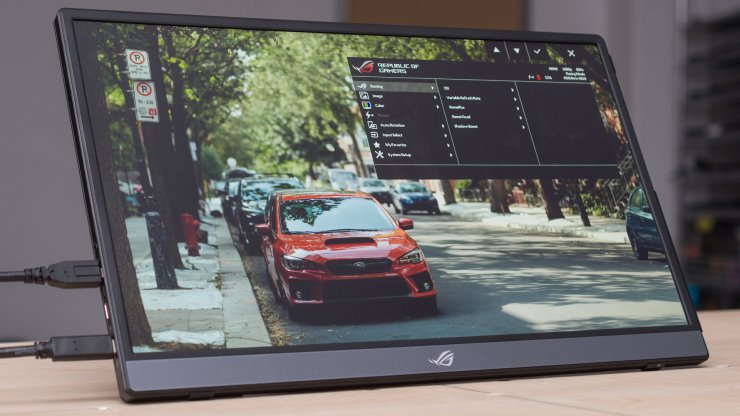
Out of all the monitors I tested, this was probably the easiest one to like immediately.
The ASUS ROG Strix doesn’t really feel like a “portable monitor” in the cheap sense. It feels more like ASUS shrunk down one of their gaming displays and made it easier to carry around. The first thing I noticed was how smooth games looked at 144Hz. I mainly tested it with Warzone and Apex Legends on PC, and movement felt noticeably cleaner compared to regular 60Hz portable screens.
What surprised me more was how useful the built-in battery turned out to be. I originally thought it was one of those features I’d barely use, but during travel it became one of the biggest advantages. I used it in a hotel room for a few hours without needing to constantly keep it plugged in.
The stand also deserves credit because a lot of portable monitors still rely on flimsy magnetic covers that wobble every time you touch the table. ASUS handled this much better.
The only real downside for me was the price. It’s definitely not cheap. But after using it for a while, I understood why people are willing to spend more on it.
What I Personally Liked
- Smooth gameplay feels immediately noticeable
- Battery life is genuinely helpful
- Build quality feels premium
- Reliable with PS5 and laptops
What Could Be Better
- Expensive compared to other portable monitors
- Full HD resolution may disappoint some people
UPERFECT UGame C2 Pro
UPERFECT was one of those brands I didn’t take too seriously at first. I’d seen it mentioned here and there in gaming groups and on YouTube comments, but I never really knew anyone personally using it.
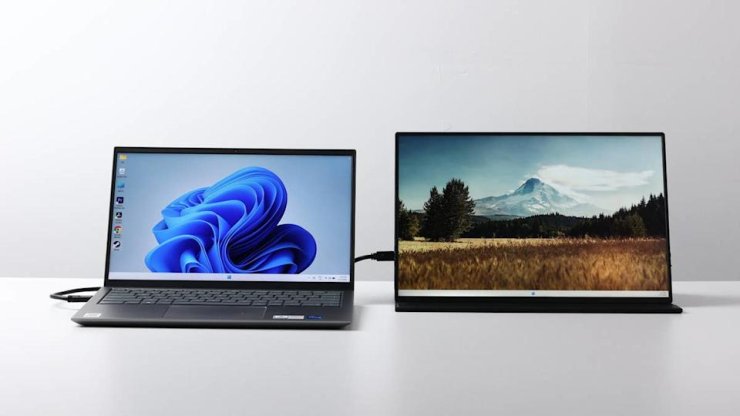
That changed when I tried the UPERFECT UGame C2 Pro 2K 144Hz Gaming Monitor for a couple of weeks. It wasn’t planned as a “review,” I just ended up using it more than I expected while gaming on PS5 and my laptop.
The screen quality was the first thing that actually stood out. The 2K resolution isn’t something you really think about on paper, but in games it does make a difference. Playing Spider-Man 2 and Horizon Forbidden West on PS5, everything looked cleaner and a bit more detailed than I’m used to on normal portable screens. Nothing dramatic, just a noticeable step up in clarity once you spend some time with it.
The 144Hz refresh rate also helped more in fast games. Movement felt smooth enough that I didn’t really think about input delay or anything like that while playing. It’s not like it magically turns everything into a high-end esports setup, but it does feel comfortable and responsive.
In terms of build, it sits in a nice middle point. It’s slim enough to carry around without effort, but it doesn’t feel overly delicate either. Some portable monitors give that “don’t touch it too much” feeling, but this one feels more stable when it’s set up on a table or even used casually in bed.
The only thing that didn’t really impress me was the sound. The speakers are just there they work, but that’s about it. I stopped using them pretty quickly and just switched to headphones.
Why It Works Well
- Sharp 2K display that actually feels noticeable in games
- Smooth 144Hz performance for supported devices
- Portable without feeling delicate
- Good match for PS5 and laptop gaming setups
Small Drawback
- Speakers are pretty average
ViewSonic VX1655
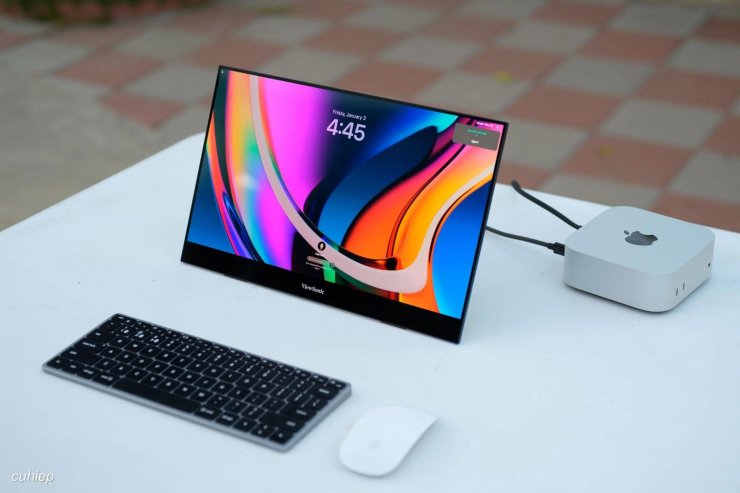
This monitor felt very straightforward in a good way.
The ViewSonic VX1655 doesn’t try too hard to look futuristic or overloaded with gaming branding. It’s simple, lightweight, and focused mostly on performance.
I mainly used this one for competitive gaming sessions because the response times felt quick and consistent. Playing EA Sports FC and Call of Duty on it felt smooth, and input delay never became distracting.
The biggest advantage for me was portability. I carried this monitor around regularly in a backpack, and it was probably the easiest one to travel with out of all the monitors I tested.
That said, it doesn’t feel as premium as the ASUS or UPERFECT models. The design is more practical than impressive. But if you mainly care about gameplay performance and portability, that probably won’t matter much anyway.
Best Things About It
- Lightweight and easy to carry
- Smooth gaming experience
- Reliable HDMI and USB-C setup
- Great for multiplayer games
Downsides
- Basic design
- Weak speakers
G-STORY 4K Portable Gaming Monitor
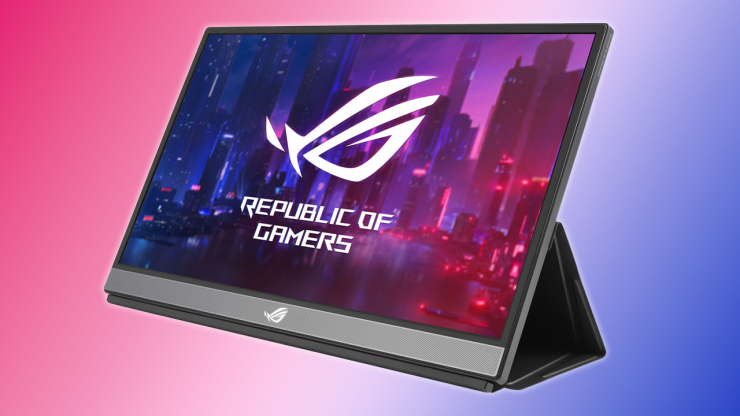
I think this monitor makes the most sense for PS5 players who care more about visuals than competitive refresh rates.
This monitor also feels designed specifically around console gaming setups. It fits nicely into portable PS5 arrangements and feels practical for people who move between locations often.
The trade-off is the refresh rate. If your main focus is competitive shooters, you’ll probably notice the difference compared to 144Hz monitors. But for slower story games and general console gaming, I honestly enjoyed using this monitor a lot.
What Stood Out
- Great image quality
- Very good for story games
- Sharp 4K resolution
- Strong PS5 compatibility
Downsides
- Not ideal for competitive esports gaming
- Slightly bulkier than thinner models
Innocn 15K1F OLED
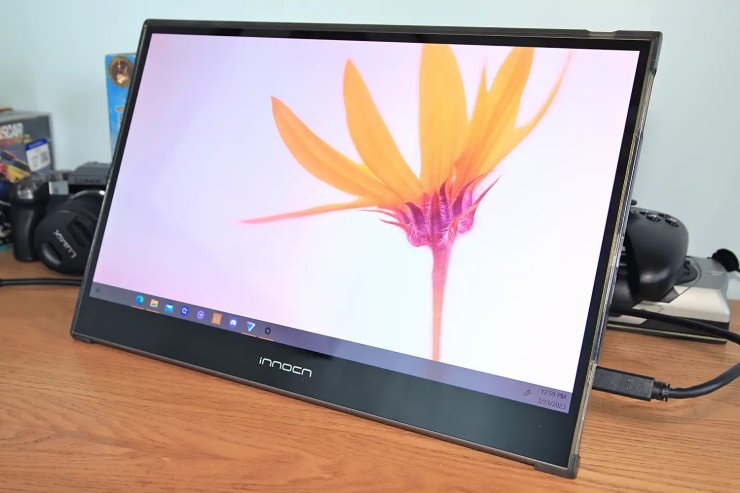
This was probably the most visually impressive monitor I tested.
OLED makes a huge difference once you start using it. Dark scenes look dramatically better, especially in games like Cyberpunk 2077 or horror titles where lighting matters a lot. Blacks look deeper, colors pop more naturally, and overall image quality feels richer than IPS screens.
I wouldn’t say this is the best option for competitive gaming, though. To me, it feels more suited for players who care about visuals and immersion first.
The only reason I wouldn’t recommend it to everyone is the price. OLED portable monitors still cost quite a bit more than regular options, and burn-in concerns still exist in the back of my mind during long-term use.
Best Part
- Incredible image quality
Biggest Concern
- Expensive for a portable monitor
Things I Learned While Testing Portable Gaming Monitors
One thing I realized quickly is that specs don’t always tell the full story.
Some monitors looked amazing online but felt annoying to use in real life because of unstable stands or weak brightness. Others had lower resolutions but felt smoother and more enjoyable during actual gameplay.
It also really depends on the kind of games you usually play. If it’s mostly competitive stuff, then refresh rate matters more than anything else, even more than going for 4K. But if you spend more time on story games, you’ll naturally care more about how sharp and good the image looks rather than how fast it is.
One more thing worth mentioning is connectivity. This is something people usually overlook. A lot of portable monitors talk a lot about USB-C, but when you actually connect them to a PS5, you still end up needing HDMI or sometimes extra adapters depending on the setup. I’d also strongly recommend checking connectivity before buying anything. Some portable monitors advertise USB-C heavily but still require extra cables for certain PS5 setups.
Final Thoughts
After testing these monitors for gaming, I think portable displays have finally reached the point where they make sense for a lot of players.
The ASUS ROG Strix still feels like the most polished overall gaming monitor if budget isn’t a problem. The UPERFECT UGame J5 impressed me the most in terms of balancing price, performance, and portability. G-STORY and Innocn are more for people who care about how games actually look rather than how fast they run. They make more sense if you’re mostly playing story games or just sitting back with something more cinematic, where visuals matter more than response time or refresh rate.
What’s actually nice is that portable gaming doesn’t feel like a downgrade anymore. A few years back, these screens were mostly just backup options or something you’d use while traveling. Now in 2026, some of them are solid enough that they can easily replace a main monitor in a lot of setups.










Comments