For a long time, centralized marketplaces controlled the trade of digital items. From game skins to digital collectibles to in-game assets, players had to rely on third-party services, which set the pricing, rules, and withdrawals. That is no longer the case. The market is rapidly changing. Peer-to-peer (P2P) trading is now gaining traction, particularly in the CS2 ecosystem, and for good reason.
Removing a middleman is the essence of P2P trading. Users are empowered to control their own pricing and speed of trade. Players are frustrated with fees, account bans, and the potential loss of assets, which is why they are moving towards direct trading models.
What Is P2P Trading and Why Does It Matter?
Instead of a centralized marketplace, in P2P trading, customers deal with one another directly. Simply put, it's a trade person-to-person instead of person-to-platform.
This matters because centralized platforms:
- Set their own fees
- Control listings and pricing visibility
- Can freeze accounts or delay withdrawals
- Often act as custodians of your assets
P2P trading grants ownership to users until the trade is completed. A number of systems and measures (like bot trades, trade escrow, and reputation scores) have made direct trading safe and efficient.
Lower Fees Are Driving the Shift
Another reason for the rapid growth of P2P trading systems is the lower costs associated. Previous systems required potential customers to pay for listings, transactions, and withdrawals with additional fees hiding in the pricing as well.
In contrast, most P2P platforms either:
- Charge significantly lower fees
- Take a flat service fee
- Or operate almost fee-free
For high-value CS2 skins, these savings add up fast. Traders who buy and sell frequently can keep more of their profit instead of handing it over to a marketplace.
More Control, Less Risk
Centralized platforms hold your items during the selling process. If something goes wrong — platform downtime, policy changes, or account flags — your assets may be stuck for days or even permanently.
P2P trading flips that model. You:
- Keep custody of your skins
- Choose who you trade with
- Control pricing and negotiation
- Decide when and how trades happen
Modern P2P sites use secure trade bots and temporary escrow, so neither party can scam the other. This balance of freedom and security is exactly what experienced traders want.
CS2 Skin Trading Is Leading the P2P Boom
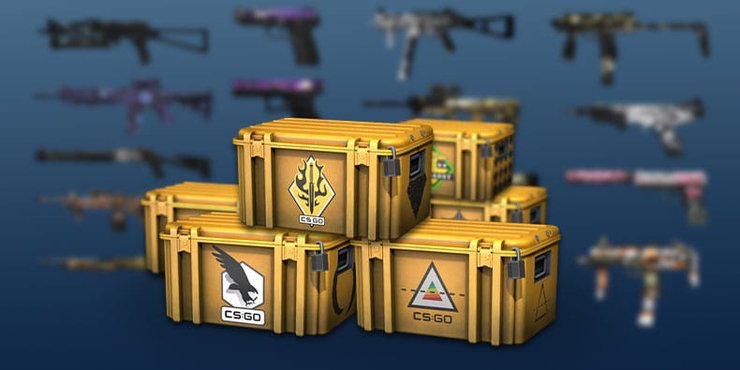
The CS2 community has been one of the fastest adopters of P2P trading. With skin prices rising and rare items becoming serious digital assets, players want transparency and control.
That’s why CS2 P2P skin trading sites are growing so quickly. These platforms allow traders to:
* Avoid inflated marketplace prices
* Deal directly with verified users
* Negotiate fair value
* Trade faster without long holding periods
As CS2 skins increasingly resemble investments rather than cosmetics, P2P trading feels like the natural evolution.
If you’re looking to explore reliable options, this curated list of CS2 P2P skin trading sites breaks down platforms that focus on direct trading, user safety, and transparent pricing.
Trust Systems Have Improved Massively
One reason P2P trading struggled in the past was trust. Early platforms lacked safeguards, making scams more common. That’s no longer the case.
Today’s P2P systems include:
- Verified user profiles
- Trade history and reputation scores
- Automated escrow bots
- Dispute resolution mechanisms
These features give users confidence, even when trading with someone for the first time. In many cases, P2P platforms are now safer than centralized markets because users aren’t exposed to mass hacks or platform-wide failures.
Faster Transactions, Less Waiting
While the growth of P2P trading is not limited to CS2 skins, it demonstrates a P2P trading model seen in crypto, NFTs, and other digital assets. P2P trading offers decentralization, transparency, and autonomy. These attributes meet users' desires and the P2P model meets the growing demand.
As safety features and user experience on trading platforms improve, P2P trading will be the digital trading model of the future. P2P trading will meet the demand for a user-enabled flexible trading and trust-less trading environment.
Why P2P Is the Future of Digital Trading
The rise of P2P trading isn’t limited to CS2 skins. It mirrors a broader shift across crypto, NFTs, and digital ownership. Users want decentralization, transparency, and autonomy — and P2P delivers all three.
As platforms continue improving safety tools and user experience, centralized marketplaces may struggle to compete. P2P trading aligns better with how digital ownership is evolving: user-controlled, flexible, and trust-minimized.
Final Thoughts
P2P trading is no longer a niche option — it’s quickly becoming the standard. Lower fees, stronger security systems, faster trades, and full asset control make it an obvious choice for serious traders.
For CS2 players in particular, the shift toward direct trading is accelerating. As more users move away from traditional marketplaces, CS2 P2P skin trading sites are setting the new benchmark for how in-game assets should be traded.
If you’re still relying on centralized platforms, now might be the right time to explore the P2P side of the CS2 trading ecosystem.
As the CS2 trading scene develops, P2P trading platforms will become more widely adopted. Enhanced user protection, escrow, and community trust will P2P trading a more viable trading method. Traders will have better pricing, quicker trade execution, and have more trading flexibility. Understanding P2P trading will be beneficial for both casual and high-volume traders and will help elevate players to the edge of the new trading model.










Comments