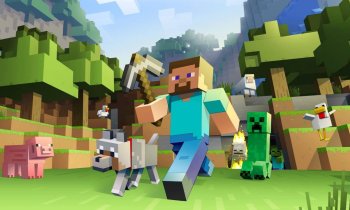
In a major announcement on February 18, 2026, Mojang revealed that Minecraft Java Edition is transitioning from the aging OpenGL graphics API to the modern Vulkan renderer. This shift is part of the upcoming "Vibrant Visuals" update, aimed at revitalizing the game's graphics pipeline. While the change promises significant advancements, it also introduces hurdles for the community. Here's a balanced look at why this could be both a boon and a burden for players.

The Benefits: Performance and Future-Proofing
Vulkan, a low-level graphics API developed over the past decade, offers several advantages over OpenGL, which dates back to the 1990s and is now deprecated on platforms like macOS.
- Superior Performance: Vulkan reduces CPU overhead and improves GPU utilization, leading to higher frame rates and smoother gameplay. Mods like Sodium and Iris, which already leverage Vulkan, have demonstrated FPS boosts of up to 500% in some scenarios. Official testing in summer 2026 snapshots will allow players to toggle between APIs and experience these gains firsthand.
- Enhanced Graphics Capabilities: The switch unlocks advanced features such as improved shaders, better lighting, and potential support for ray tracing or path tracing. This paves the way for the "Vibrant Visuals" overhaul, bringing Java Edition closer to Bedrock's visual fidelity.
- Cross-Platform Reliability: Vulkan ensures continued support on Windows, Linux, and macOS (via a translation layer with no performance hit). It also minimizes driver-related bugs, benefiting AMD and Linux users who have historically struggled with OpenGL.
- Long-Term Efficiency: By modernizing the codebase, Mojang can focus on optimizations rather than maintaining outdated OpenGL compatibility, promising sustained improvements.
The Drawbacks: Compatibility and Transition Pains
Despite the upsides, the move is not without risks, particularly for the mod-heavy Java community and older hardware owners.
- Mod Incompatibility: Many rendering mods rely on OpenGL hooks and will break. Porting them to Vulkan demands significant effort from modders, potentially delaying updates for popular packs like Sodium or custom shaders. Mojang advises using internal rendering APIs, but widespread fixes could take months.
- Hardware Limitations: Vulkan requires GPUs less than 10 years old (e.g., NVIDIA Maxwell or AMD Polaris and newer). Older integrated graphics or legacy systems may face stuttering, crashes, or outright incompatibility, raising the minimum requirements and sidelining budget or vintage PCs.
- Initial Instability: Early snapshots may introduce bugs, performance dips, or visual glitches as Mojang stabilizes the implementation. Players reliant on mods during testing could encounter frustration.
- Development Delays: Resources spent on Vulkan divert attention from new content, biomes, or features, possibly slowing the update cadence.
The Road Ahead
OpenGL will then be phased out, with updated system requirements announced in advance. While modders face a steep curve, community tools and Mojang's Discord support should ease the pain. For most players with modern rigs, this heralds a brighter, faster Minecraft Java future. Vintage setup users might need upgrades, but the long-term gains in performance and visuals outweigh the short-term hurdles. The blocky world is evolving, ready or not.







Comments