Racing games once dominated gaming culture with their heart-pounding intensity, memorable soundtracks, and the thrill of scraping by in a beat-up starter car before unlocking dream rides. Titles like Need for Speed Underground, Midnight Club, and Juiced from the early 2000s created lasting emotional highs through risky design choices and unforgiving mechanics. However, modern entries in the genre, despite stunning visuals and technical polish, often feel flat and forgettable.
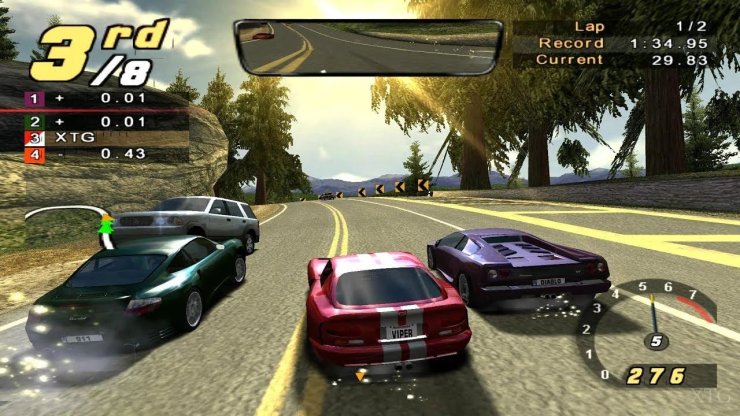
Racing games' lack of success stems from deliberate shifts in design philosophy, driven by business realities and player expectations. Older games thrived on personality born from flaws, high stakes, and earned progression, while today's titles prioritize accessibility and safety, resulting in sterile experiences. Let's break down the key reasons:
1. Loss of Unique Identity and Personality
Classic racing games each carved out a distinct niche. Juiced was chaotic and unpredictable, Midnight Club wildly fast and unfair, Burnout destructively reckless, and Need for Speed a stylish fantasy. These quirks made them memorable, even if imperfect. Modern games, like recent Forza Horizon or Need for Speed installments, try to blend simulation realism with arcade fun, appealing to everyone but standing out to no one. The result is polished generics that look impressive but lack soul.
This homogenization kills excitement. Modern handling feels like driving a bus, not an actual race car, with sterile camera angles and no tension, making footage from mid-2000s games look more thrilling by comparison.
2. Progression Without the Grind
In older titles, you started with a junker car, scraped for cash, and unlocked upgrades through sweat and failure. This struggle built attachment and made victories euphoric. Need for Speed Most Wanted forced tough choices, tying progression to context and risk.
Today's games flood players with credits, fast progress bars, and instant access to supercars. Unlocks feel meaningless because everything is available upfront.
3. Forgiving Physics That Sap Tension
Rough physics in classics demanded skill. Cars felt heavy, mistakes were punishing, and overdriving led to spectacular crashes that taught respect for speed. Modern engines emphasize smoothness, quick recoveries, and toy-like handling, stripping away the weight and edge.
4. No Real Risk or Consequences
Failure in old games hurt: fines drained your wallet, lost cars set you back, and botched races could derail your career. No rewinds meant stakes were real, amplifying wins. Midnight Club and Juiced exemplified this brutality.
Contemporary titles offer instant restarts, safety nets, and zero lasting penalties. Wins feel cheap without the fear of loss.
5. Disappearing Structured Career Modes
Linear career paths provided clear goals and unfolding worlds, like unlocking map sections in Underground 2. Modern open-world festivals and playlists make everything optional, eroding motivation. One commenter unlocked a "core memory" just hearing "career mode," admitting they'd forgotten it existed.









Comments