The Grand Theft Auto (GTA) series, one of the most successful video game franchises in history, takes its name directly from a real-world legal term for felony car theft. The title is not random; it perfectly captures the core gameplay mechanic that launched the series in 1997 and has remained central through every major evolution.
The Legal Meaning Behind the Name
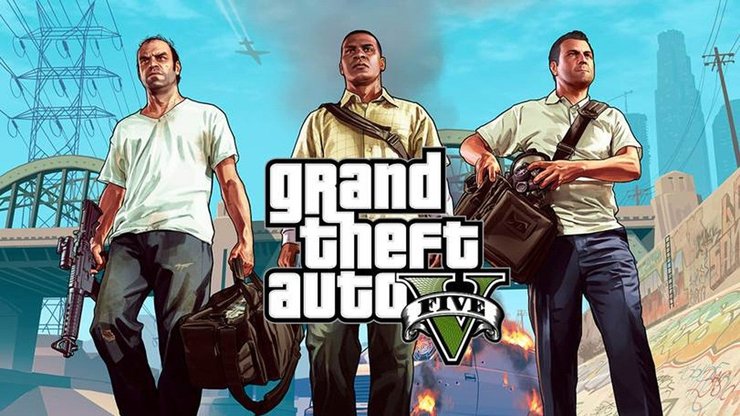
"Grand Theft Auto" refers to the felony crime of stealing a motor vehicle, especially one of significant value. In many U.S. states, including California, stealing a car worth a certain amount (often $950 or more) is classified as grand theft auto rather than petty theft. This offense carries serious penalties, including prison time and heavy fines. The name was chosen because vehicle theft forms the foundation of the original game's design: players steal cars, use them to commit crimes, and attempt to escape police pursuit.
From Race 'n' Chase to Grand Theft Auto
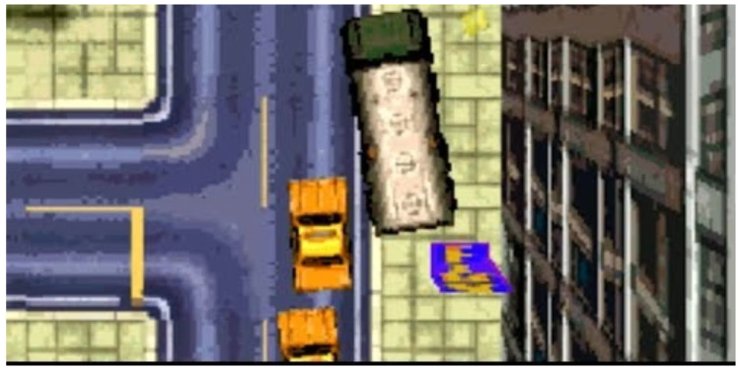
Development of the first game began in 1995 at the Scottish studio DMA Design (later renamed Rockstar North). The project started under the working title Race 'n' Chase, envisioned as a top-down racing game where players would take the role of police officers chasing criminals. During development, the team experimented with letting players control the criminals instead. A fortunate glitch made police behavior more aggressive and unpredictable, turning the experience into chaotic open-world crime. This shift made the criminal perspective far more exciting, leading the developers to rename the game Grand Theft Auto to reflect its focus on carjacking and law-breaking. Released in 1997, the game became a surprise hit despite (or perhaps because of) its controversial content.
Evolution of the Series and the Enduring Name
Over the years, the series grew dramatically in scope. GTA II (1999) added gang warfare and rudimentary multiplayer elements. The groundbreaking 3D era began with GTA III (2001), followed by Vice City (2002), San Andreas (2004), GTA IV (2008), and GTA V (2013). Each entry expanded the open world, deepened storytelling, and introduced online multiplayer through GTA Online. While car theft is still a key feature, gameplay now includes elaborate heists, extensive character customization, realistic driving physics, and sharp satire of modern society. Vehicles remain essential for exploration, missions, racing, and causing chaos across massive maps.
The name has been retained for strong brand recognition. Changing it would risk losing the instant association with freedom, rebellion, and criminal fantasy that fans have come to expect. The title continues to evoke the thrill of stealing a powerful car and dominating the streets, even as the series has grown far beyond simple carjacking.
Looking Ahead to GTA VI
With GTA VI expected in the near future, the franchise shows no signs of slowing down. Early promotional material suggests a return to a Vice City-inspired setting with enhanced realism and new gameplay innovations. The persistent use of the Grand Theft Auto name underscores its status as a cultural institution. From humble 2D beginnings to photorealistic open-world epics, the series has sold hundreds of millions of copies and generated billions in revenue while influencing countless other games.
In short, the name Grand Theft Auto is both literal and symbolic. It honors the felony crime that defined the original concept while representing the broader theme of unrestricted criminal freedom that has kept players engaged for nearly three decades. As the series continues to evolve, the name remains a powerful reminder of its rebellious origins.








Comments