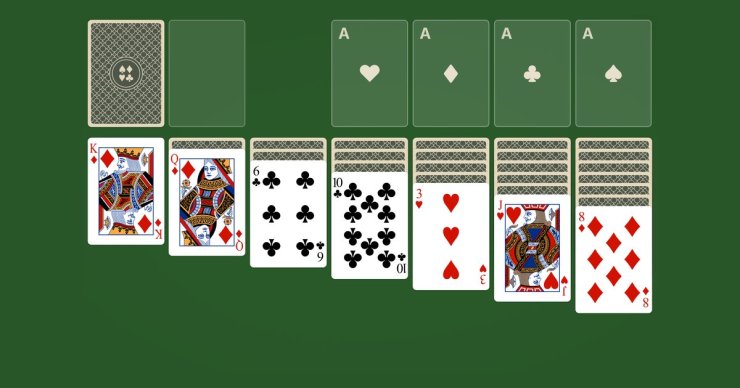
There's a very specific feeling that comes with watching the pull animation build up, the flash before the reveal, the split second hope for gold rarity before the result actually lands, and it turns out that feeling isn't an accident of good UI design so much as a direct application of one of the most well studied principles in behavioral psychology. Gacha systems, loot mechanics, and slot machines all lean on the exact same underlying mechanism, even though they look nothing alike on the surface. A completely different kind of session, a quiet round of Playsolitaire.io with no pulls, no rates, and nothing to unlock, has become my go to for the evenings when I want to play something without any of that anticipation attached at all.
The Behavioral Science of "Maybe This Time"
The mechanism traces back to B.F. Skinner's research on what psychologists call a variable ratio reinforcement schedule, a reward structure where the payout arrives after an unpredictable number of attempts rather than a fixed one. Skinner found that behavior reinforced this way is far more resistant to fading out than behavior reinforced on a predictable schedule, precisely because not knowing when the next reward is coming keeps the behavior going through long stretches with no payout at all. It's the same structure behind a slot machine, and it turns out to be remarkably effective regardless of whether the "lever" is a physical one or a pull button on a phone screen. Skinner's original research used pigeons pecking at a disc for food pellets, and the pattern held up so consistently across species and settings that it's now considered one of the more reliable findings in all of behavioral psychology, not a theory specific to games or gambling at all.
Why a Near Miss Still Feels Like Progress
Part of what keeps a pull session going even through a dry streak is something researchers call the near miss effect, landing a four star when you were hoping for the five star registers less like a loss and more like getting close, which keeps the behavior feeling worthwhile even when the actual odds haven't moved at all. Pity systems and soft guarantees add a second layer on top of that, giving a sense of visible progress toward a guaranteed outcome that keeps pulls feeling purposeful rather than purely random, even on banners where the underlying draw is exactly as random as ever.
Why Knowing This Actually Helps
None of this is really a case against gacha games, which can be genuinely well crafted and genuinely fun on their own terms, and plenty of players get real enjoyment out of collecting characters and chasing a specific build. It is more useful as an explanation for a feeling a lot of players already notice in themselves, why a banner pull hits differently than opening a normal chest or finishing a level, and why setting a pull budget in advance tends to work better than deciding in the moment, since the moment is precisely when the mechanism is working hardest. Plenty of experienced players already do something like this instinctively, deciding on a number of pulls before opening the banner screen rather than after, which is really just a practical way of making the decision before the variable reward loop has a chance to make it for you.
Something With a Different Shape Entirely
That's part of why it's worth having at least one game in the rotation that isn't built around any of this at all, nothing to pull, no rarity tiers, no pity counter ticking up in the background. A round of solitaire either works out or it doesn't, and either way it's completely over the moment the round ends, with nothing left dangling to pull you back for one more try. It's a different kind of session entirely, and having one on hand makes for a nice change of pace next to a banner that's always going to be there tomorrow.







Comments