Aniimo looks like a Pokemon cousin wearing live-service clothes. The question that matters is how it plays hour to hour. You explore Idyll, throw Aniipods at wild creatures, then stop commanding from the sidelines and become them. That last part is the hook. The rest is whether the loop stays interesting once the novelty fades.
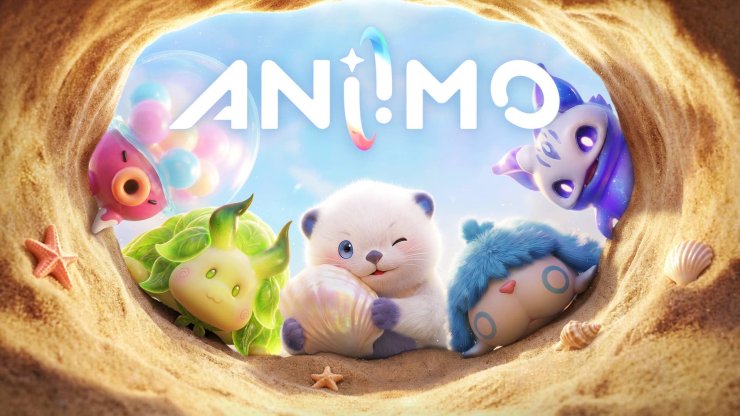
Catching Creatures in the Field
Catching is not a menu pull. You find Aniimo in biomes, fight them in real time, break a stagger or Break gauge, then throw an Aniipod. Better pods raise the odds. Ultra pods can lock in a catch, so you save them for rare forms. Eggs add another route, and Blooms can spawn groups worth farming.
The world sells the loop. Vertical terrain, hidden chests, Lumin Amber, and shrine-like challenges give you a reason to wander. New creatures are not only roster filler. Each one can change how you move. A flyer gets you off a cliff. A digger opens a cache. That is closer to Palworld or Zelda tools than to standing on a route waiting for a grass encounter.
The catch itself can feel easy once you learn positioning. Sneaking behind a target helps. After a few hours the thrill is less about whether the pod holds and more about whether you need this form for traversal or for a role on the team.
Combat When You Become the Monster
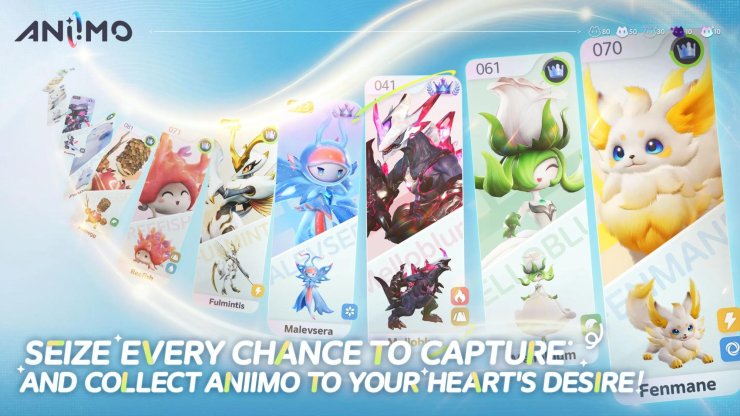
You can fight as a trainer, issuing orders and tossing support skills while four Aniimo work beside you. Most of the time you will Twine. One button merges you with a creature. You dodge, combo, and fire its kit directly, including an Ultimate.
Combat is action RPG, not turn-based. Type matchups still matter. Roles matter more as you go: DPS, Heal, Buff, Break, Debuff. Early fights are simple strings and a stagger window. Midgame asks you to swap forms, break guards, and keep a healer or breaker in the active four. World Alphas and Omegas test that roster.
Twining is also exploration. You do not reserve it for bosses. You hop forms to fly, swim, burn a barrier, or solve a small field puzzle. That keeps catching tied to movement instead of to a Pokedex checkbox.
Depth has limits. Many Aniimo have short move lists. The combat is responsive but generic once the spectacle wears off. If you want deep action like a dedicated brawler, this will feel thin. If you want creature skills that change how the map works, it clicks.
The Loop After the Tutorial

Progression is where the live-service design shows. Resonance spends materials to raise stats. Evolutions can split onto different paths if you complete objectives. The Homeland farm produces resources while you are out. Events, Elite Training tasks, and daily claims fill the menus.
None of that is a classic gacha banner for the creatures themselves. You catch them in the world. Money leans toward a battle pass, cosmetics, and convenience items such as guaranteed pods. The grind is still real. Resource gates, many currencies, and reward screens sit between you and the next upgrade.
That is the make-or-break. Players who like Genshin-style open worlds will recognize the rhythm: explore, collect, upgrade, log in tomorrow. Players who bounce off live-service bloat will bounce here too, cute designs or not.
Verdict on Time Spent
Aniimo is worth your time if Twining sounds like the feature you wanted from creature games all along. Becoming the monster, then using that body to cross the map and win fights, is the best idea in the design. Catching feeds that idea instead of sitting in a separate collection layer.
It is not worth a second job if you already resent daily claims and material sinks. The costume is Pokemon. The pace is free-to-play action RPG. Play the first region, Twine through a few biomes, and fight one world boss. If that loop feels good in your hands, stay. If the menus already feel louder than the creatures, you have your answer.








Comments