In the world of mobile gaming, few phenomena have reshaped the industry like gacha games. These are free-to-play titles built around randomized "pulls" for characters, weapons, and cosmetics. Chinese developers, led by miHoYo (now HoYoverse), have set an impossibly high bar with Genshin Impact and Honkai: Star Rail. These open-world spectacles boast cinematic visuals, sprawling narratives, and relentless content updates. They gross billions globally. Meanwhile, Japan's gacha scene, which was once the genre's birthplace, feels stagnant. High-production-value originals are rare. Most successes (Fate/Grand Order, Dragon Ball Legends) lean on beloved IPs to extract fan spending. PlayStation veteran Shuhei Yoshida recently summed it up: Japanese studios are "unlikely to replicate the production scale and speed" of Chinese hits.
Why the gap? It's a mix of structural, cultural, and economic factors making China's model unreplicable in Japan.
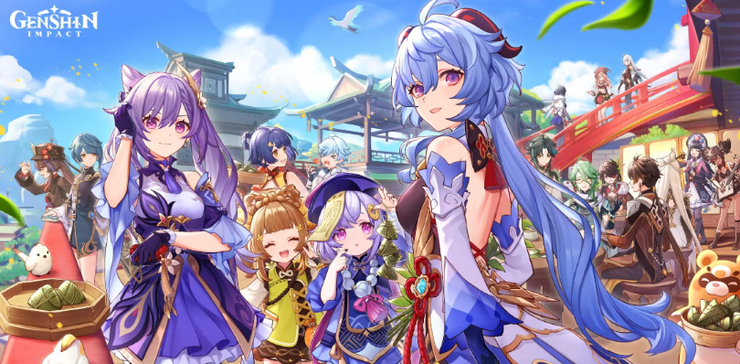
Massive Scale: Budgets and Teams China Can't Match
Chinese gacha powerhouses operate on AAA budgets with armies of developers. Genshin Impact's initial development cost $100 million, with $200 million per year for ongoing content. That is equivalent to major console titles. miHoYo's team ballooned from 150 to 700 on Genshin alone, part of a 5,000-employee company juggling multiple titles like Honkai: Star Rail and Zenless Zone Zero. Japanese devs envy this: one animator noted Chinese projects use "10x more money and manpower" than Japan, funding elaborate animations impossible domestically.
| Studio/Game | Team Size (Peak) | Dev Cost (Initial) | Annual Live Ops Cost |
|---|---|---|---|
| miHoYo/Genshin | 700+ (on game) | $100M | $200M+ |
| Cygames/Granblue Fantasy Relink (console spin-off) | ~100-200 (est.) | Undisclosed (7-year dev) | N/A |
| Aniplex/Fate/Grand Order | ~200-300 (est.) | Low (2D focus) | Steady but modest |
Cygames, Japan's gacha leader (Granblue Fantasy, Uma Musume), thrives on smaller scales. Their console title Granblue Fantasy: Relink sold 2 million but took seven years. That pace is leisurely by Chinese standards. No Japanese gacha approaches Genshin's open-world ambition.
Speed Demons: Crunch Culture and Agile Workflows
China's edge isn't just size. It is also velocity. miHoYo pumps bi-weekly events, new regions, and characters while iterating fast. Yoshida credits an environment allowing "large numbers of personnel who can work long hours." Japanese labor laws cap overtime (karoshi scandals enforce this), slowing iteration. Chinese studios swap staff fluidly for "crazy" ideas. Japan prioritizes stability.
Result? Chinese games launch polished and evolve rapidly. Japanese titles like SINoALICE or Tales of Crestoria suffer "long droughts or delayed patches."
Risk-Averse: IP Milking Over Bold Originals
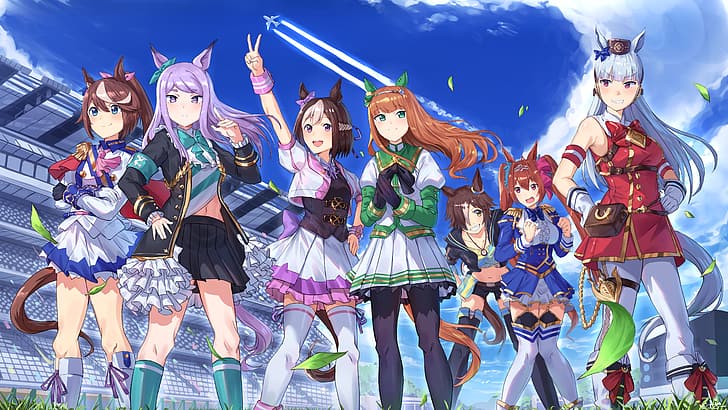
Japan's gacha market matured early (pioneering mechanics like Puzzle & Dragons), saturating with low-effort "JPEG collectors" tied to IPs: anime (BanG Dream!), manga (One Piece), or console hits (Dragon Ball). These guarantee day-one whales but stifle innovation. 91% of top-grossers are live-service, yet Japan's bubble bursts as players demand more.
Originals? Rare successes like Cygames' Granblue Fantasy (2014) built multimedia empires (anime, manga), but newcomers flop without IPs. Genshin's global breakout shamed Japan: no equivalent open-world gacha exists. Devs admit: "Japanese gachas have been relying on low-effort licensed games... it doesn't cut it anymore."
| Top Gacha Revenue (2025 Est., Monthly Mobile) | Origin | IP-Based? |
|---|---|---|
| Honkai: Star Rail ($80M+) | China | Original |
| Genshin Impact ($20-100M) | China | Original |
| Uma Musume ($50M+) | Japan | Multimedia Original |
| Fate/Grand Order ($30M+) | Japan | Fate IP |
Domestic Trap: Japan-First vs. Global Ambition
Japan's $11B mobile market is loyal but insular. RPGs/gacha dominate 50%+ revenue, yet downloads decline. Studios target "otaku" fans, ignoring globals like the West or SEA. China eyes everywhere: Genshin recouped costs in weeks via multi-platform launches. JP games stay mobile-only, Japan-exclusive.
Exceptions prove the rule: Cygames' global pushes (Princess Connect! Global) succeed modestly, but Dragalia Lost shut down despite Nintendo backing.
Can Japan Catch Up?
Unlikely soon. Yoshida's verdict echoes industry despair: Japan's "sinking Titanic-phase" for gacha, with devs pivoting to consoles. Strengths lie in premium titles (Astro Bot, Zelda), not endless live-service grinds. China owns gacha's future: massive talent pools, state-backed tech (Unreal Engine 5 experiments), and willingness to bet big.
Japan's IP machines print money reliably (FGO nears $10B lifetime), but for spectacle? miHoYo reigns. Until labor reforms or bold outsiders emerge, Genshin clones will stay Chinese.








Comments