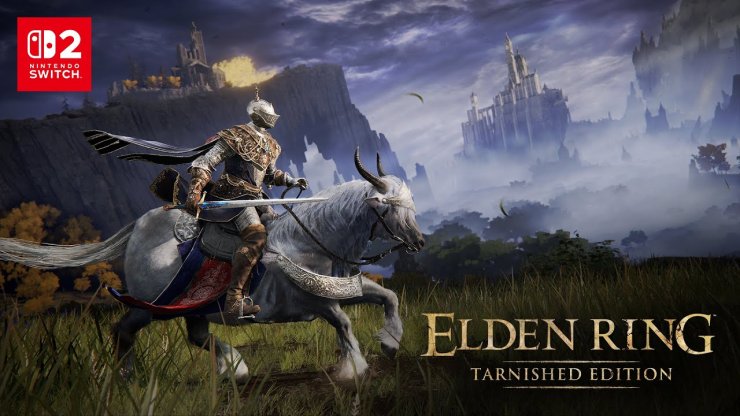
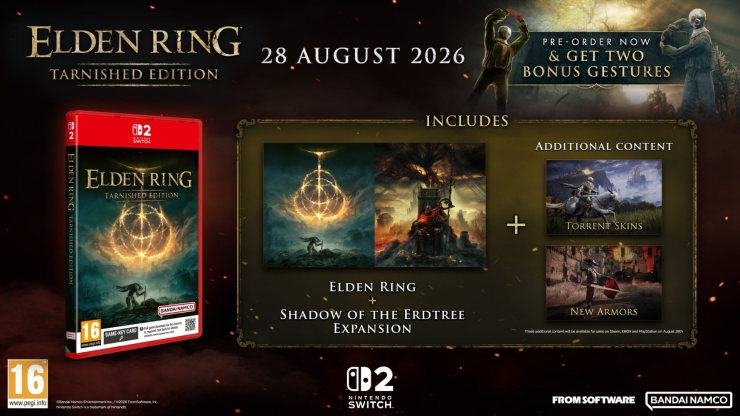
Nintendo finally pulled the curtain back on the Switch 2 earlier this year. The console promises a meaningful leap in power with its custom NVIDIA chip, improved battery life, and support for DLSS-style upscaling. Publishers wasted no time jumping on the hype train. Bandai Namco and FromSoftware confirmed an Elden Ring port is in development and slated for a holiday 2026 release. On paper it sounds like a dream. Tarnished warriors finally get to explore the Lands Between on a handheld. In practice the entire project already feels dead in the water.
The Obvious Hardware Mismatch
Let us start with the obvious mismatch in hardware. Elden Ring was built for PlayStation 5 and high-end PCs. Those platforms deliver stable 60 frames per second in performance mode or crisp 4K with ray-traced shadows in quality mode. The Switch 2 sits somewhere between a last-generation mid-range PC and the original Switch in raw muscle. Early teardowns show it tops out around 12 teraflops in docked mode. That is respectable for a portable system but nowhere near enough to render the game’s sprawling open world without heavy cuts.
FromSoftware has never been known for aggressive optimization. Their engines still struggle with pop-in and streaming issues even on current-gen hardware. Imagine that same code running on a console that must also worry about thermals and battery drain. Developers will have to slash resolution to 720p or 1080p at best. Textures will be downgraded. Draw distances will shrink. Those gorgeous golden skies and distant castles that define the game’s atmosphere will turn into blurry billboards the moment you ride Torrent more than fifty yards away.
Frame Rate and Stability Problems
Frame rate stability looks even worse. The original game already dips into the low 40s during boss fights or when too many ash of war effects explode on screen. A Switch 2 version will almost certainly lock at 30 frames per second and still stutter in the same spots. Handheld mode will likely force further reductions to keep the device from turning into a hand warmer. Players chasing the “play anywhere” fantasy will instead chase frame-time graphs that look like a cardiogram during a heart attack.
Loading Times and Visual Downgrades
Loading times present another quiet disaster. Elden Ring already forces you to sit through lengthy transitions when you die or fast travel. The Switch 2’s storage solution is faster than the original Switch but still far slower than the SSDs in modern consoles. Expect those death screens to stretch into eternity while the system desperately pulls assets from slower memory. Nothing kills momentum faster than watching the same “You Died” message linger for an extra ten seconds every single run.
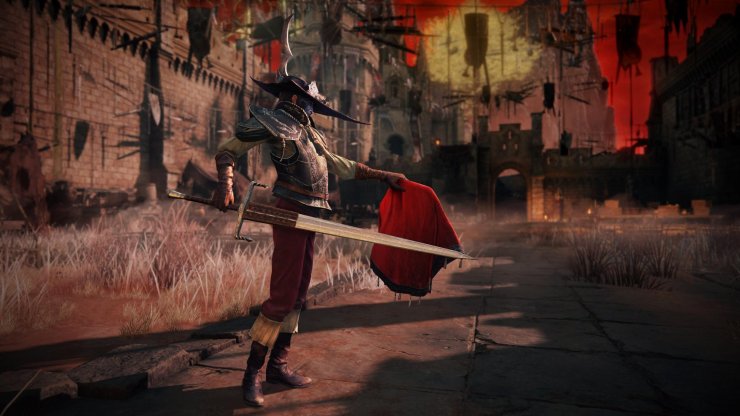
Visual fidelity is where the skepticism turns into outright disappointment. FromSoftware leaned hard into dynamic lighting and particle effects for Shadow of the Erdtree. Those elements simply cannot survive intact on Switch 2 silicon without aggressive culling. Water will look flat. Fog will clip. Enemy models will lose detail at anything beyond melee range. The magic of discovering a new biome or stumbling into a hidden boss will vanish behind technical compromises that scream “budget port.”
Battery Life and the Harsh Reality
Battery life adds the final nail. The Switch 2 improves on its predecessor but still targets four to six hours of play in most demanding titles. Elden Ring is one of the most demanding titles ever made. Early tests of similar open-world games on dev kits suggest the port will chew through a full charge in under two hours at moderate settings. Gamers who wanted a portable masterpiece will instead get a game that forces constant docking or aggressive power-saving modes that make the visuals look even rougher.
Nintendo fans have seen this movie before. The Witcher 3 on the original Switch looked like a watercolor painting left out in the rain. Mortal Shell and other Souls-likes arrived on Switch with massive downgrades and still ran poorly. FromSoftware’s own track record shows they rarely invest the extra months needed to polish a weak platform. If history repeats the Elden Ring port will ship as a technical footnote rather than a must-play experience.
Bandai Namco may still market the title as “play Elden Ring anywhere.” That tagline ignores the reality that “anywhere” comes with blurry textures, stuttering combat, and a battery that dies before you reach Stormveil Castle. The Switch 2 is a fantastic machine for Nintendo first-party games and lighter indie titles. It was never designed to carry the weight of one of the most graphically ambitious action RPGs of the decade.
So yes the port is coming. Whether it is actually playable in any meaningful way remains the real question. Right now the project looks less like an exciting expansion of the Elden Ring universe and more like a cautionary tale of ambition outrunning hardware. The Lands Between deserve better than a watered-down version that limps along on borrowed power. Unless FromSoftware pulls off a miracle optimization pass that defies every precedent they have set the Switch 2 version is dead in the water before it even launches.






Comments