Nintendo has reportedly suffered a major setback after Japan’s Patent Office rejected one of its Pokémon-related patent applications. The rejection has sparked discussions in the gaming community, with many viewing it as a positive outcome for gamers and independent developers.
What Was Nintendo Trying to Patent?
The rejected patent application, numbered 2026-019762, was a divisional filing that specifically focused on monster-catching mechanics adapted for touchscreen devices. It described a game program running on an information processing apparatus equipped with a touch panel. The claims included using a capture item to catch field characters, deploying owned battle characters to fight, and managing actions through touch input.
In simple terms, Nintendo was attempting to patent the use of touchscreen controls for core Pokémon-style gameplay elements, such as throwing capture items at creatures and controlling characters on the screen.
On April 24, 2026, the Japan Patent Office issued a rejection notice. The examiner concluded that the application lacked an “inventive step” over prior art. The ruling stated that the described mechanics were essentially a general monster-catching rule set and did not contain anything technologically innovative, especially when applied to touchscreen devices.
Broader Context: Nintendo vs. Palworld and the IP Landscape
References to well-known prior art, including existing Pokémon mechanics and similar features in other games, played a key role in the decision. Nintendo had already amended the claims once earlier in the year, but the examiner still found the application insufficiently novel.
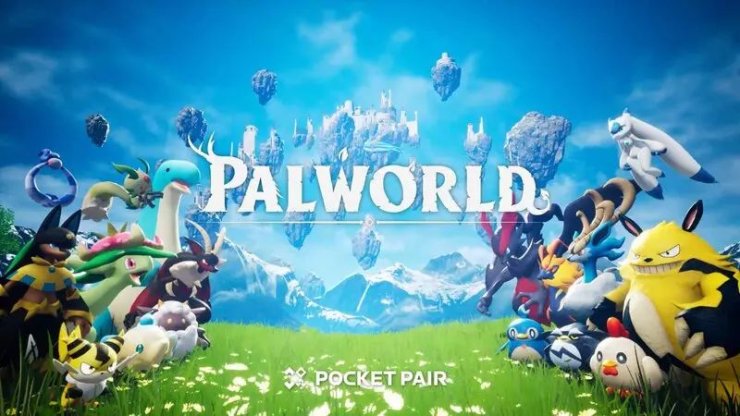
This rejection comes amid Nintendo’s ongoing legal battle with Palworld developer Pocketpair. The company has been pursuing several patents related to monster capture and interaction mechanics. Analysts believe this particular touchscreen-focused application was strategically filed with potential future mobile or touchscreen versions of competing games in mind.
While the rejection is not final and Nintendo has the option to amend its claims again or submit further arguments, patent experts describe it as an uphill battle. Similar related patents have also faced scrutiny in other countries, including a non-final rejection by the USPTO on a summoning and battling patent earlier in 2026.
A Win for Gamers?
Many gamers and industry observers are welcoming the decision. They argue that broad patents on fundamental gameplay mechanics — such as using a touchscreen to move, select, or interact with characters in a monster-catching game — could stifle creativity and limit competition.
By rejecting the application, the Japan Patent Office has reinforced that simply adapting classic gameplay ideas to modern touch controls does not automatically qualify for patent protection. This outcome is being viewed by many as a small but important win for the gaming community, as it helps keep the door open for more innovative monster-taming and creature-collecting experiences on mobile and touchscreen platforms.
Nintendo continues to actively defend its intellectual property around the Pokémon franchise. However, this latest rejection adds to a series of challenges the company has faced in securing wider patent protection for these mechanics.
What happens next remains to be seen. Nintendo may choose to revise and resubmit the application. The outcome could also have indirect effects on the broader patent family involved in the Palworld lawsuit.
For now, the decision stands as a clear reminder that patent offices are carefully scrutinizing overly broad claims in the video game industry. For gamers, it represents a positive step toward greater creative freedom and more diverse games in one of the most popular genres in gaming.










Comments