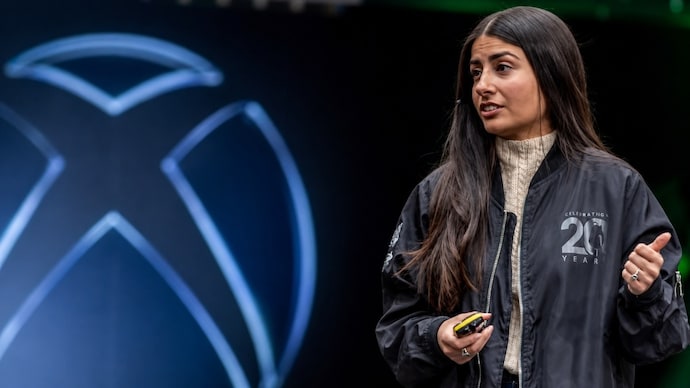
On July 6, 2026, Xbox CEO Asha Sharma revealed plans to cut approximately 3,200 jobs over fiscal year 2027. This includes 1,600 immediate role eliminations, representing roughly 20 percent of the division's workforce.
The cuts form part of a wider Microsoft initiative that eliminates about 4,800 positions company-wide. Sharma described the changes as the most significant restructure in Xbox history in a memo sent to employees and published on Xbox Wire.
Business Challenges Drive the Decision
Sharma was direct about the reasons. "Our business today is not healthy," she wrote. "We are operating at margins that are 3-10x lower than comparable platform and publishing businesses."
She pointed to several factors behind the struggles. Xbox entered the current console generation with a smaller install base and higher costs. Bets on Game Pass growth, multi-platform releases, and an expanded content portfolio did not deliver expected results. Aggressive studio acquisitions since 2018 added headcount and complexity at a time when the industry faced its most severe hardware crisis in history. Platform teams grew 40 percent larger even as player engagement declined in some areas. Management layers reached as many as 14 in parts of the organization, slowing decisions and reducing accountability.
Sharma stressed that the moves target a stronger future rather than a smaller one. "These changes are about a bigger future for XBOX, not a smaller one," she said. She added that history shows companies that mistake longevity for inevitability often fail. Xbox aims to entertain more than a billion people daily and give everyone opportunities to create and connect.
Studios Transitioning Out of Xbox
Four studios will leave Xbox for new management as part of the reset:
- Compulsion Games and Double Fine Productions will return to independent operation. Both retain their intellectual property, catalogs, and resources for upcoming projects.
- Ninja Theory and Undead Labs have entered agreements for new ownership. Funding will support completion and growth of titles including Senua's Saga: Hellblade II and State of Decay 3.
Arkane Lyon in France has begun required consultation with its Works Council regarding potential strategic options. Reductions will also occur across other units, including Activision, Bethesda/ZeniMax, Blizzard, King, Mojang, and Xbox Game Studios. Mojang and King will now report directly to Sharma.
Importantly, no publicly announced first-party games or projects have been cancelled.
Plans for a Flatter, More Focused Organization

Sharma outlined three main areas for the reset:
- Content portfolio: Support independent creators through open tools and broader audiences while maintaining focus on core strengths.
- Platform: Simplify operations by cutting management layers to no more than five (ideally three). The goal is a flatter structure with makers, player-coaches, and directly responsible individuals. Vendor spend will drop by 50 percent, and tools and codebases will be streamlined.
- Operations: Appoint a Chief Operating Officer with full profit-and-loss responsibility across content, hardware, platform, and services. Helen Chiang, with experience leading Mojang and Minecraft, has been promoted to this role and reports directly to Sharma.
Microsoft will continue investing in Xbox at current levels this year but with greater focus and discipline. The target is a return to growth in 2027.
Impact and Outlook
The immediate layoffs affect roles across nearly every department and studio. Employees who joined through acquisitions, direct recruitment, or passion for the brand will be impacted. Sharma acknowledged the human cost: "I know this is painful. These changes will directly affect people who have poured their creativity into building XBOX."
The gaming industry has seen repeated waves of job cuts in recent years amid shifting economics. Xbox's move stands out for its scale and transparency. Sharma positioned the overhaul as necessary to compete effectively in a market where mobile and casual gaming continue to reshape traditional console and premium publishing models.
Xbox has faced criticism over exclusives strategy, Game Pass economics, and hardware performance in recent years. The current leadership team, including new CEO Sharma, appears focused on streamlining to restore profitability and agility.
The full effects will unfold over the coming months as the remaining cuts occur and the four studios transition. For now, the division enters a period of significant contraction aimed at building a leaner, more sustainable operation for the next decade of gaming.










Comments