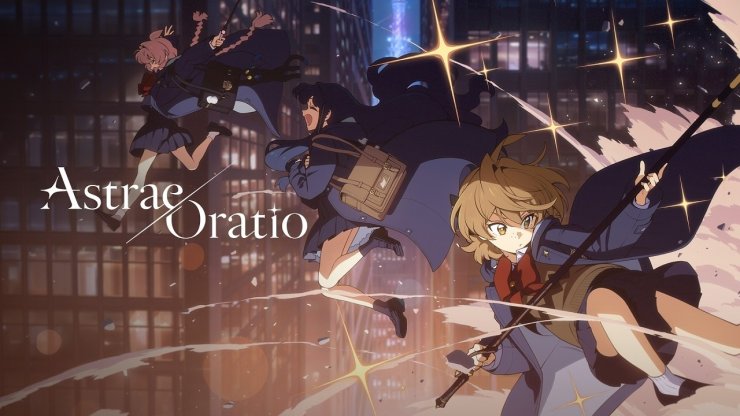
They also released a new Prologue Digest trailer, set a 2027 launch window for iOS and Android, and confirmed that a PC version will follow.
What the TGS demo lets you play
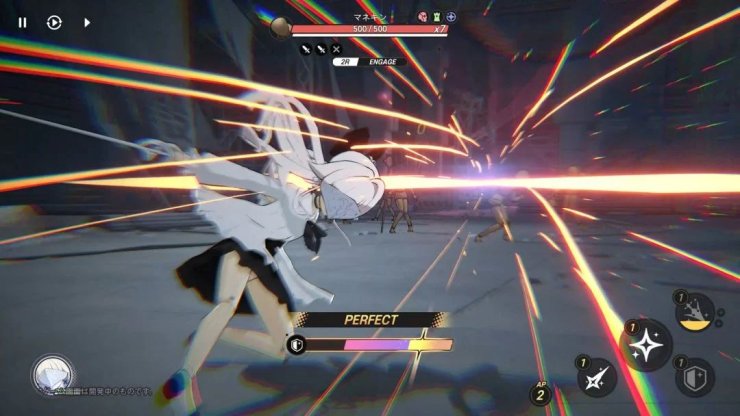
The booth demo splits into story and training. Players can work through the Prologue and a slice of the Minato Arc, then drill combat separately. The demo runs at Makuhari Messe from September 17 to 21. Visitors can choose a scenario build or a combat build, and the booth stage is screening early prologue footage.
The Prologue drops the Minato magicians into a clash with Kujo Yuria, a Kyoto magician. One report describes the tutorial fight as Yuria crashing a helicopter into a barrier and forcing the Minato Girls into battle. Dialogue and cinematics then slide into combat without a hard cut.
Story mode after that is short, about five and a half minutes in the official description, and centered on Tanaka Erin of the Magical Activities of the Minato Girls. Her monologue walks through ordinary days in Minato: spring streets, period gadgets, and the small textures of a city that looks familiar and wrong at the same time. The first half leans on daily life. The close uses visual novel presentation, artwork, text, and a vocal track.
Reviewers compared the story screens to late-90s and early-2000s visual novels, with text over background CGs and a willingness to assume the player already knows some Japanese historical flavor. The demo also includes comic relief in the tutorial, then a chapter-end flourish staged like an anime opening. NC confirmed the main story will be voiced in Japanese.
Combat is 1v1, but the party is always waiting behind you
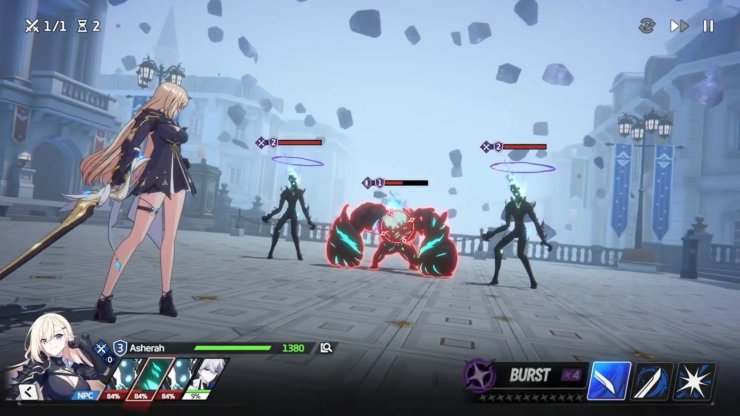
The surprise of the preview is not that Astrae Oratio has battles. It is how those battles work.
You build a party, but only one magician stands on the field. The TGS hands-on used a 3-on-3 structure with tags, meaning three fighters on each side and constant swapping. Fights are duels with a bench.
The system is turn-based in structure and real-time in pressure. Official materials call it real-time turn-based combat. Each round has an action phase and an engage phase. During the action phase, the enemy’s next move is visible as an icon traveling across the top of the screen. You spend that window choosing a response. When the icon reaches the end, the enemy acts. Then the engage phase resolves the clash. A correct read lets your action land. A bad one means the enemy goes first or your attack fails.
Color codes the threat:
- Blue or white normal actions can be beaten by a normal skill, combat skill, or ultimate.
- Yellow actions are sudden preemptive hits. A timed counter or parry answers them. Success can grant an extra action.
- Red actions are unstoppable in a clash. You do not out-skill them in the moment. You break the enemy first, tag in a sturdier character to eat the hit, or plan around the landing.
Hands-on coverage listed six player options: normal attack, skill, parry, tag, ultimate skill, and Declaration of Dominion. That is a short menu. The difficulty is picking the right one before the icon finishes its trip.
Action points gate how much you can do before the enemy moves. Skills do the real damage and escalate across stages, but they have cooldowns. Basic attacks shorten those cooldowns, so the efficient loop is skill, skill, then leftover AP into basics. Combos can climb high. Early trailers already showed counters past 60.
Tagging is the other axis. After an attack, you can queue the next character to swap in and keep the string going. Tags also exist to answer specific red threats or to change elemental matchups.
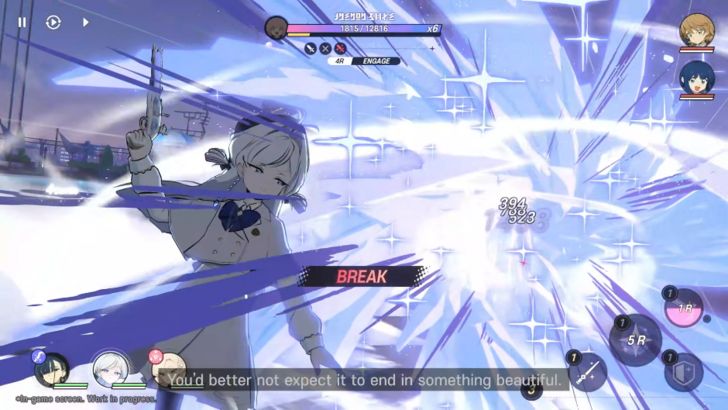
Winning clashes fills a Dominion Gauge. When it is full, the active fighter can fire Declaration of Dominion, a character-specific field effect that lasts several rounds. Previewers called it the coolest moment in the kit: a cut-in, a change in the battlefield, and a window that feels closer to a fighting-game super than a standard RPG buff. Some reports also say the mode can restore AP and reset cooldowns, which is why a successful stretch feels like fever time.
The demo includes 12 magicians from four Tokyo clans, each with a district-flavored style. Weapons are not limited to staves. Hands-on coverage mentioned swords, guns, knives, and even a recorder. Declaration of Dominion is tied to the lore idea that a magician is rooted in a place. That is both a combat tool and a worldbuilding claim.






Comments