Cygames recently detailed its English localization approach for Umamusume: Pretty Derby at CEDEC 2026. The presentation, focused on handling dialects and unique character speech, has poured fuel on long-simmering fan frustration with how the global version handles the source material. What the team calls creative approaches to achieve recognizability and authenticity looks to many players like unnecessary rewriting that prioritizes Western relatability over the Japanese original.
The Localization Team's Creative Approach
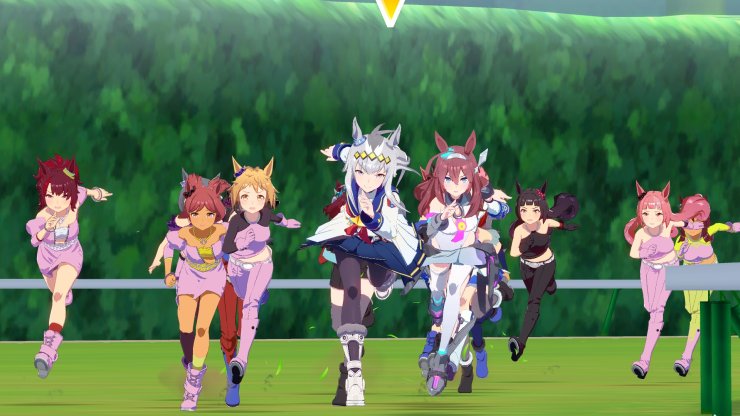
The localization team draws a sharp line between simple translation (moving information from Japanese to English) and localization (recreating a character's essence, including tone, background, and speech quirks in ways that feel natural to English speakers). For characters with Kansai dialect like Tamamo Cross, the usual industry habit of mapping it to a Southern American accent was rejected. That would have overlapped with Taiki Shuttle, who already has Southern roots. Instead, the team used altered spellings and contractions to mimic rhythm and speed, producing lines that read more like a stylized New York-ish delivery. Rural speech patterns got mid-20th-century American idioms. Otaku enthusiasm turned into modern internet fandom phrasing. Gyaru slang for Daitaku Helios became contemporary Gen Z expressions and memes, on the grounds that gyaru culture is less familiar outside Japan.
Fan Criticisms of the Changes
Fans pushing back argue this is the core problem. Umamusume draws heavily from Japanese horse racing culture, idol tropes, and specific subcultures. Players who come to the game through the anime or Japanese server already expect and enjoy those elements. Replacing gyaru energy with let her cook style Gen Z slang does not preserve the character. It swaps one cultural flavor for another. The same pattern appears elsewhere: Christmas lines that characters clearly voice as Merry Christmas get rendered as Happy Holidays, Tis the Season, or similar neutral phrasing. Romantic or affectionate tones between trainers and umamusume are often softened or removed. Terms like master in certain character contexts get scrubbed. These are not small adjustments for clarity or space. They change the text in ways that feel like editorial interference.
The official defense emphasizes making the game accessible while staying true to its spirit. In practice, the results often measure authenticity against Anglophone subcultures rather than the source. Invented verbal quirks can be consistent and readable, yet they still distance the English version from what Japanese players experience. Many in the community prefer fan translations or tools that stay closer to the original wording precisely because the official text feels like a different product.
This is not a new complaint in Japanese-to-English game localization. When the priority shifts from conveying the author's intent and cultural texture to creating something that feels familiar or improved for a Western audience, the work stops being translation and starts being adaptation with a heavy hand. Fans who invested time and money in Umamusume want the horse girls as written, dialects and all, not a version filtered through current American slang cycles or sensitivity preferences.
Considering AI as a Replacement
If the current team cannot or will not deliver accurate, faithful renderings that respect the source text's character, tone, and cultural markers, then the obvious next question is whether the role needs rethinking. Modern AI translation tools already handle large volumes of Japanese text with strong consistency and can be prompted for different levels of literalness or natural flow. Human editors could still polish for fluency, catch edge cases, and ensure game-specific terminology stays uniform. The result would likely stay closer to the original without the creative reinterpretations that keep sparking these debates. Fans are not asking for machine-stiff output. They are asking for the game they signed up for. When human localization repeatedly prioritizes rewriting over transmission, replacing the process with AI-assisted pipelines becomes a practical suggestion rather than a joke. Cygames has the resources and the IP. Delivering a version that feels like the same Umamusume should not be this contentious.









Comments