In live-service gacha games, players frequently encounter a phenomenon known as HP inflation. This refers to the steady rise in enemy and boss health pools across patches and new endgame content. Unlike powercreep, which centers on newer characters dealing higher damage or offering stronger kits, HP inflation specifically makes fights last longer by scaling the durability of opponents. Endgame modes in titles like Genshin Impact, Honkai: Star Rail, and Zenless Zone Zero often highlight this trend, where clearing efficiently requires more damage output or better team optimization over time.
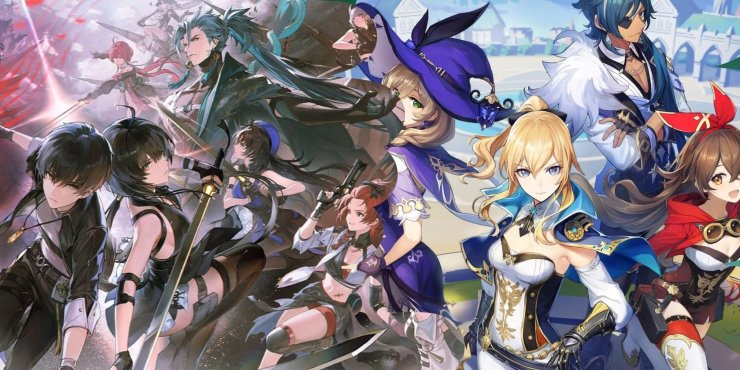
The debate centers on whether this scaling represents an unavoidable reality of the genre or a deliberate design choice.
Why Some View HP Inflation as Inevitable
Live-service gacha games release new content on a regular schedule, often every few weeks. As players accumulate stronger rosters through months or years of play, developers face the challenge of keeping that content engaging. Without some form of scaling, veteran teams could trivialize new stages, reducing the sense of progression and accomplishment.

From a business standpoint, gacha games depend on ongoing revenue from character banners. If established units could handle all future content with minimal effort, the incentive to pull for newer releases diminishes. Higher enemy HP creates a natural pressure point that encourages investment in the latest characters, whose kits are often tuned to perform well against the current difficulty curve.
Player diversity also plays a role. Casual players enjoy story and easier modes, while dedicated players seek challenging endgame content for premium rewards. Gradual HP increases help maintain a spectrum of difficulty without overhauling entire systems. In this view, some degree of inflation mirrors progression systems in other long-running games, where content must evolve alongside player power.
Counterarguments: Evidence That Alternatives Exist
Not every gacha game relies on aggressive HP scaling to the same extent. Fate/Grand Order demonstrates a different approach. The game features clear powercreep through servants with increasingly powerful and specialized kits, yet it leans more on mechanical variety, break bars, node structures, and regular strengthenings for older units. Farming nodes have seen some escalation in higher difficulties, but many legacy servants remain viable in their niches thanks to differentiated playstyles and team synergies rather than raw stat checks.
This model shows that strong new characters can release without forcing massive enemy HP spikes. Older units retain relevance because the game emphasizes strategy, supports, and specific counters over pure damage races. Similar patterns appear in titles that prioritize tactical depth or horizontal progression, where roster diversity and positioning matter more than total health pools.
Developers have several tools to manage challenge without heavy inflation:
- Introducing new mechanics, gimmicks, or environmental factors that reward smart play.
- Periodic buffs or reworks to keep legacy characters competitive.
- Tiered content that offers meaningful rewards at multiple skill and investment levels.
- Emphasis on team building and niche synergies instead of universal stat requirements.
These options suggest that extreme HP inflation often stems from design priorities rather than pure necessity.
Real-World Examples Across the Genre
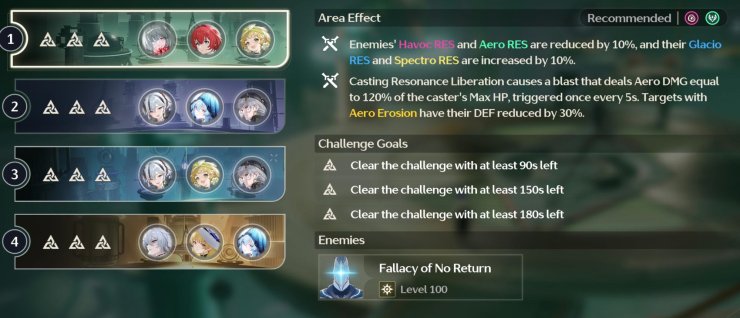
Hoyoverse titles frequently draw criticism for noticeable increases in enemy durability within rotating endgame modes. Players report that older teams require significantly more cycles or investment to clear as patches progress, contributing to discussions about the pace of scaling.
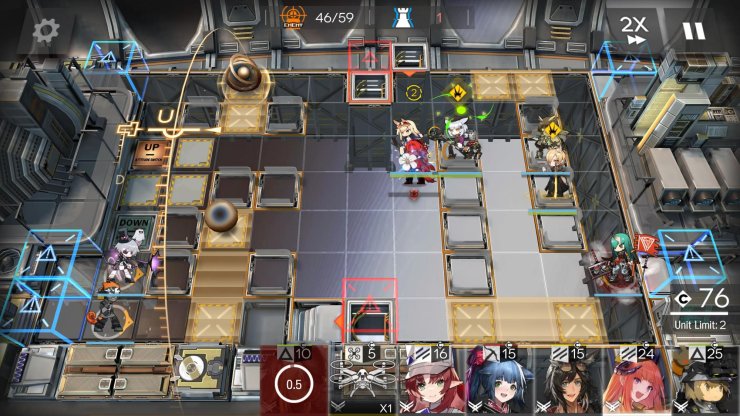
In contrast, games like Arknights place greater weight on operator placement, skill timing, and stage-specific threats in many modes. While certain event or roguelike content features higher enemy durability, the core experience often rewards creative strategies that reduce reliance on raw numbers.
Fire Emblem Heroes leans heavily into skill-based powercreep with evolving unit abilities, yet it avoids extreme enemy HP bloat in many scenarios. These differences illustrate that outcomes vary based on how developers choose to implement challenge and progression.
Impacts on Players and the Game's Longevity
When handled moderately, HP inflation can keep content fresh and reward ongoing engagement. However, rapid or excessive scaling risks devaluing player investment. Characters that felt powerful upon release may struggle in newer content, creating pressure to constantly update teams. This effect hits hardest for players attached to specific favorites or those with limited spending power.
F2P and low-spend players may still clear most content through planning and skill, but full rewards in the hardest modes can feel increasingly gated. On the positive side, well-designed inflation paired with new mechanics can lead to satisfying victories and a sense of growth.
Finding a Sustainable Path Forward
Complete avoidance of any scaling is unrealistic in an ever-updating game. Players expect new challenges as their accounts grow stronger. The key distinction lies in execution. Games that balance stat increases with mechanical depth, regular character support updates, and varied content formats tend to foster healthier long-term communities.
Ultimately, HP inflation is not an ironclad law of gacha design. It reflects specific choices around monetization, difficulty pacing, and content philosophy. Developers who prioritize character longevity through thoughtful mechanics and updates demonstrate that more balanced approaches are possible. For players, understanding this distinction helps set expectations and appreciate titles that manage progression with greater care for existing rosters. The genre continues to evolve, and how developers address this tension will shape the future of these games.







Comments