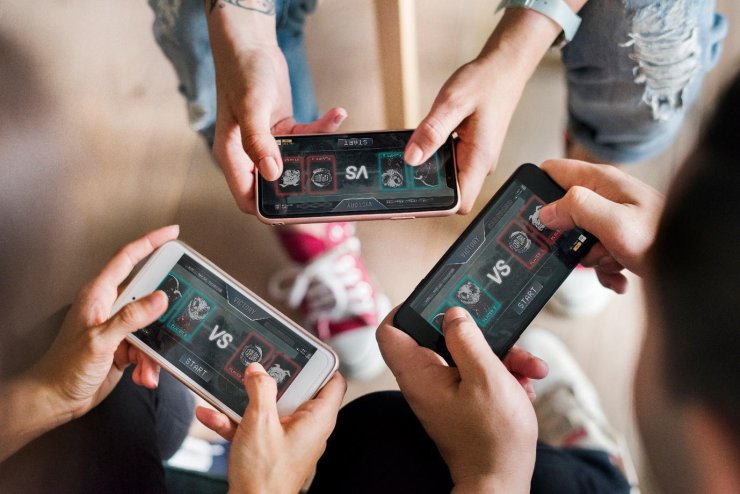
I've been watching something wild happen over the past 18 months. Mobile gaming stopped being the "casual" alternative and became where most of us actually spend our gaming time.
I checked my own screen time last week: 4 hours and 37 minutes on mobile games versus maybe 90 minutes on my desktop. And I'm not alone in this shift.
The Numbers Tell a Different Story
Around 67% of gamers now play primarily on mobile devices. Up from 49% just two years ago. This comes down to convenience, but there's more happening here than just being able to game on the go. Platforms like superdewa have figured out something console makers are still struggling with—making the experience feel complete without requiring a $600 purchase up front.
You can literally be on a bus, in a coffee shop, or pretending to pay attention in a meeting and still get that same rush you'd get from a full gaming session at home.
What Actually Changed
First, mobile processors got scary good. I tested a game last month that would've melted my phone in 2024, and it ran smooth at 60fps without heating up much. Second, developers stopped treating mobile like a dumbed-down version of "real" games and started building experiences specifically for how we actually use our phones.
The social aspect got way better. I've made more gaming friends through mobile platforms in six months than I did in three years of console gaming.
Why Traditional Platforms Are Paying Attention
Console sales dropped 23% year-over-year in Q2 2026. Meanwhile, mobile gaming revenue jumped to $184 billion globally.
I talked to a friend in game development who mentioned their studio now designs for mobile first, then ports to PC and console. Five years ago that would've been completely backwards. Now it just makes financial sense.
The Quality Gap Disappeared
I used to roll my eyes at mobile graphics. Blocky characters, simple textures, gameplay designed for toddlers. Not anymore.
I played a mobile RPG last Tuesday that had better environmental design than some AAA console releases from 2025. The lighting effects were genuinely impressive. Touch controls actually worked intuitively, though I still prefer a controller attachment for competitive play.
Payment models evolved too. Yeah, there's still predatory stuff out there. But I've found plenty of options that don't constantly shove microtransactions down your throat.
What This Means for Gamers
Bottom line: we've got more choices than ever. Want that hardcore PC experience? Still there. Prefer console comfort on your couch? Go for it. But if you want gaming that fits into actual human life schedules, mobile platforms deliver without making you feel like you're settling.
I spent $47 on mobile games last month and got more hours of enjoyment than the $70 console title I bought in August and played for maybe 6 hours total.
Gaming matters. The platform doesn't matter as much as whether you're actually having fun, and right now mobile gaming is delivering fun in ways that fit how we live in 2026.















Comments