In 2026, as Discord continues to grapple with data leaks and invasive policies like teen-by-default settings, many users are seeking alternatives that prioritize privacy, performance, and user control. Self-hosted options stand out because they let you run your own server, keeping your data out of corporate hands. Based on recent analyses, here are the top 5 self-hosted Discord alternatives that offer robust features without the baggage.
1. Revolt: The Speedy Discord Clone
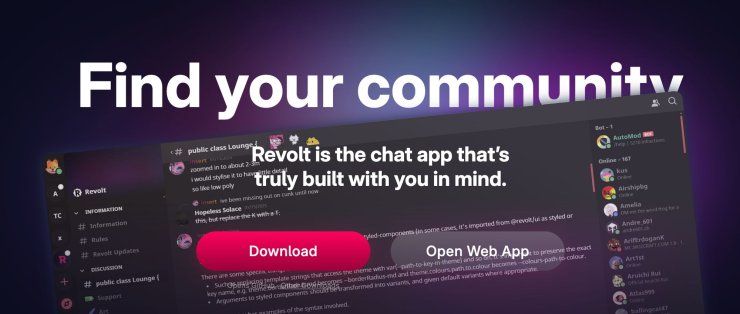
Revolt is a near-perfect open-source clone of Discord, built in Rust for superior speed and efficiency. It features servers, text and voice channels, role management, a library of bots, and bridges to other networks like Telegram. Community-made themes add customization, and end-to-end encryption is in the pipeline.
Pros: Faster and lighter than Discord; no annoying Nitro upsells or tracking; easy transition for existing users; privacy-focused design.
Cons: Still developing, so some advanced features are forthcoming.
Self-Hosting: Simple to set up on your own server for full data control—no federated complexities needed.
If you're tired of Discord's sluggishness and want a familiar interface with better performance, Revolt is an excellent starting point.
2. Mumble: Low-Latency Voice Powerhouse
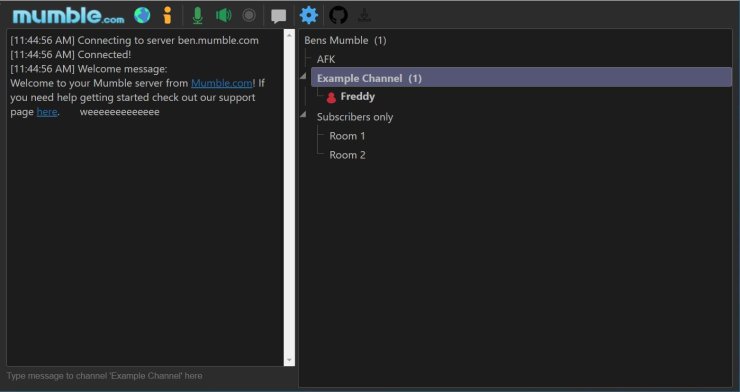
Mumble excels in voice communication with low-latency chats using the Opus audio codec, supporting bit rates up to 510 kbps. It includes positional audio for immersive gaming experiences and is lightweight on system resources.
Pros: Ideal for gaming with minimal lag; high-quality sound; efficient resource use, outperforming Discord in voice clarity.
Cons: Basic interface lacking flashy elements like emojis, which might feel too minimalist.
Self-Hosting: Easy self-hosting for optimized voice performance, perfect for gaming setups.
For gamers prioritizing seamless voice chats over bells and whistles, Mumble remains a top choice in 2026.
3. Matrix (with Element): Decentralized Communication Hub
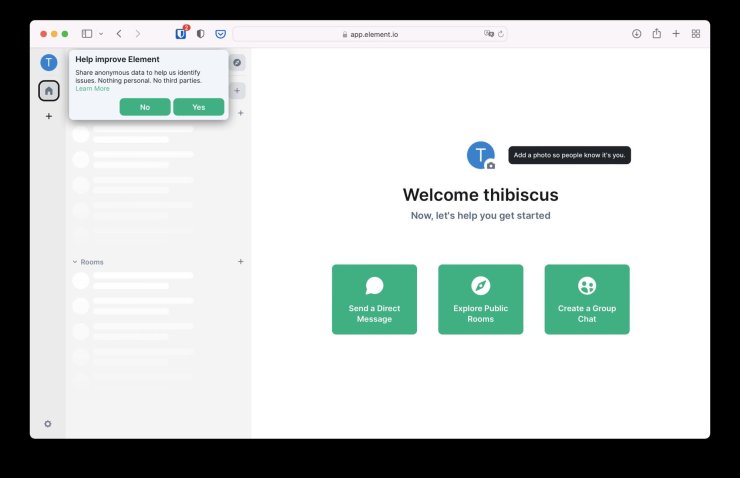
Matrix is a decentralized protocol using clients like Element, offering bridging to platforms such as Discord, Slack, Telegram, and WhatsApp. Its federated architecture ensures no single point of failure, with servers like Synapse or Dendrite for hosting.
Pros: Complete server control; consolidates conversations from multiple networks; avoids metadata collection for ads.
Cons: Requires more setup for your homeserver compared to centralized apps.
Self-Hosting: Run your own Matrix homeserver for true decentralization and privacy.
Matrix is perfect for users who want a unified, secure chat ecosystem without relying on big tech.
4. TeamSpeak 5: Permission-Focused Voice Platform
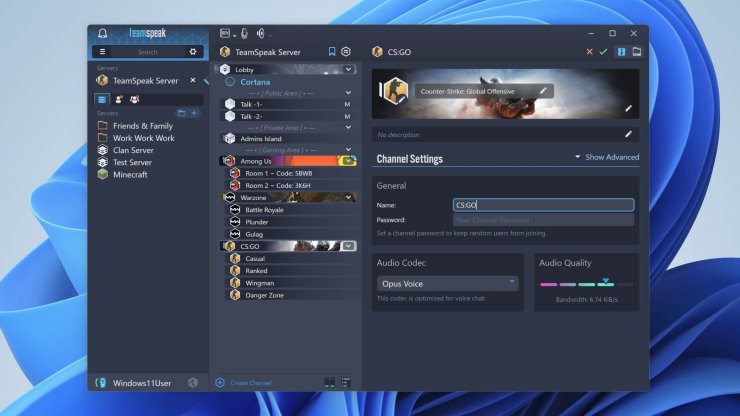
TeamSpeak 5 boasts a modern interface with dark mode, global server experiences, and an advanced permission system (e.g., talk power, join power). It emphasizes crystal-clear voice calls with a hierarchy for organized communities.
Pros: Granular control over user permissions; no distracting social feeds; superior voice quality.
Cons: Less focus on persistent text channels or community discovery.
Self-Hosting: Self-hosted with easy server jumping, ideal for structured groups.
If detailed permissions and reliable voice are your priorities, TeamSpeak 5 delivers in spades.
5. Nextcloud Talk: Integrated File and Chat Solution
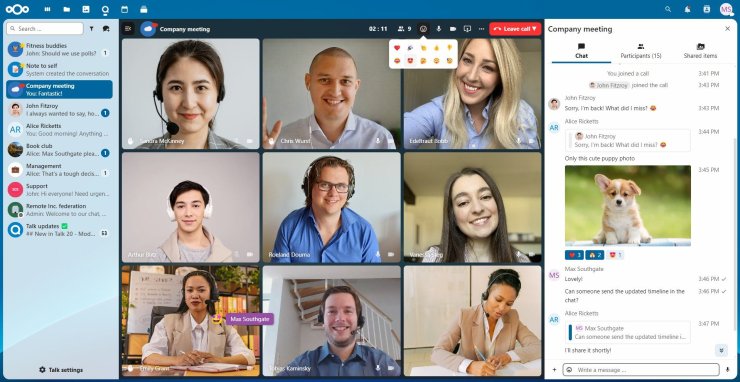
Nextcloud Talk integrates seamlessly with Nextcloud for file syncing, offering unlimited file sizes, screen sharing, whiteboard tools, and breakout rooms. It's a full communication add-on to your private cloud.
Pros: Core file sharing without limits; handles large media files effortlessly; comprehensive for collaboration.
Cons: Best for those already using Nextcloud, as it requires the full infrastructure.
Self-Hosting: Runs on your hardware as a Nextcloud extension, bypassing Discord's storage restrictions.
For teams needing chat tied to secure file management, Nextcloud Talk is a powerful, privacy-centric option.










Comments