Bethesda union members are out protesting after getting laid off, and the level of out-of-touch is almost impressive. Signs go up. Chants start. The same people who spent years inside one of the most notorious AAA pipelines now want everyone to know how much they care.
“We make great games!”
“We make games players love!”
“We make games that define generations!”
They’re holding signs that say “PLAYERS DESERVE BETTER.” Where was that energy the entire time corrupt AAA was shipping buggy, overpriced modern-audience slop? Radio silence. No marches when the games launched broken. No collective outrage when microtransactions and unfinished systems became the product. Now the pink slips arrive and suddenly the players are the sacred cause. The conversion is convenient.
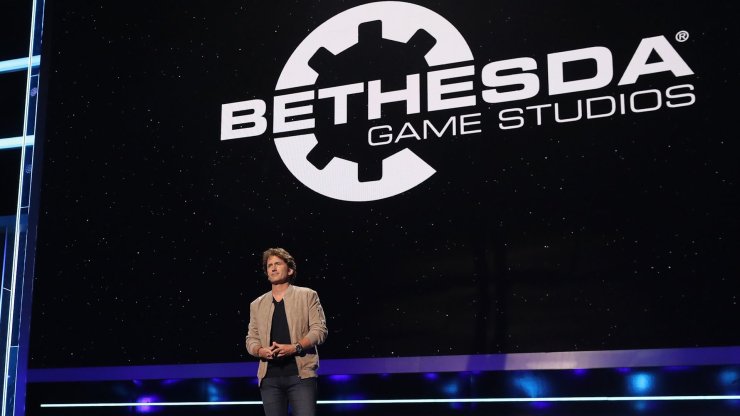
The Protests After the Cuts
These protests followed Microsoft’s July 2026 Xbox cuts that hit hundreds of ZeniMax and Bethesda roles. The OneBGS union organized “Save Our Devs” rallies outside offices in Rockville, Austin, Dallas, and Montreal. Fair enough to fight for severance and recall rights. What is not fair is the sudden cosplay as player advocates after years of quiet complicity.
Not the Gamers You Think
Look closer at the crowd and the messaging. These are not the nerds and geeks who treated gaming as a refuge from the world. They are not the people who still play actual tabletop Dungeons and Dragons, who stay up late theorycrafting, who care about systems that work and worlds that feel alive. They are activists who happened to land jobs in game studios. The politics came first. The games were the vehicle. It shows in the output.
A Consistent Pattern of Problems
Starfield launched as a vast, empty checklist. Fallout 76 needed years of emergency repairs. Endless Creation Club and paid mods treated the community like a secondary revenue stream. The pattern was consistent: ship it, patch it later, monetize the gaps. The union members now claiming the moral high ground were inside that machine. Their silence was the product.
When the company finally decides the headcount no longer matches the returns, the activists rediscover the players. The mirror is perfect. The same ideological filter that prioritizes messaging and identity over craft is the one that produces the garbage. Then the producers of the garbage act shocked when the market and the parent company respond accordingly.
What Players Have Already Said
Players have been saying “we deserve better” for years. They said it with review scores, refunds, and abandoned multiplayer servers. The response from inside the studios was usually defensive PR or more of the same. Now the roles reverse and the signs come out. It is not solidarity. It is self-interest wearing a player-rights costume.
The industry does not need more activists pretending to be developers. It needs people who actually play, who understand why certain games stick for decades while others vanish after the launch window, and who treat the player as the reason the job exists rather than an afterthought once the paychecks stop. Until that changes, the cycle of buggy releases, public disappointment, and eventual layoffs will keep repeating. The only difference is who holds the signs.






Comments