Phantom Blade Zero arrives as one of the most discussed action games of 2026. Developed by S-Game, it places players in the role of Soul, a skilled warrior granted a second chance through a cursed artificial heart that will only last 66 days. The story frames his journey as a race against that countdown while he uncovers the reasons behind a betrayal that left him for dead. What elevates the game above many peers is the quality of its moment-to-moment combat and the visual flair surrounding it.
Combat and Weapon Systems
Combat is the clear centerpiece and the element that most consistently impresses. Fights are fast, aggressive, and heavily inspired by classic wuxia cinema. Soul can equip two weapons at once and swap between them mid-combo to build resources for powerful follow-up attacks. A posture or sha-chi gauge on enemies creates clear openings once depleted, leading into stylish finishers that range from brutal takedowns to flashy dismemberment. Parries and precise dodges form the defensive backbone, while special Phantom Edge tools offer limited but impactful options such as ranged blasts, temporary summons, or environmental interactions. The system rewards aggression and experimentation without locking players into a single rigid style.
Weapon variety supports this depth. Dozens of main weapons and secondary Phantom Edges appear throughout the adventure, each carrying distinct movesets, properties, and upgrade paths. Some favor quick slashes and mobility, others emphasize heavy strikes or status effects. Switching weapons mid-fight is not just a damage trick. It resets certain resources and unlocks combination attacks that catch enemies off guard. This flexibility keeps encounters fresh even during longer sessions and gives players genuine build options rather than a handful of minor stat tweaks.
Boss Fights and Enemy Design
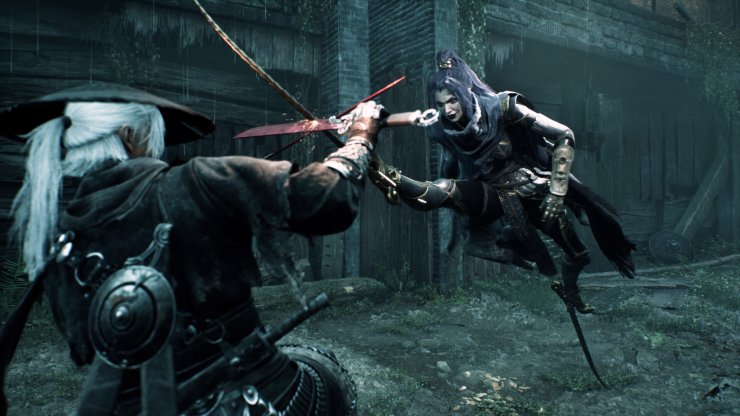
Boss encounters receive particular praise for their invention and spectacle. Fights range from agile martial artists with graceful, almost floaty animations to massive armored opponents and more fantastical designs such as a fire-breathing lion dancer or a lute-wielding ranged specialist. Many feature multiple phases, and checkpoints let players restart from later stages after a death, which reduces frustration without removing the challenge. The choreography often feels cinematic, with wire-like movement, environmental destruction, and carefully timed windows for counterplay.
Regular enemies, by contrast, are less consistent. Many fall into familiar archetypes of sword-wielding soldiers or assassins that can be cleared quickly once core mechanics click, occasionally turning stretches of the game into low-stakes cleanup rather than meaningful tests.
World, Exploration, and Visuals
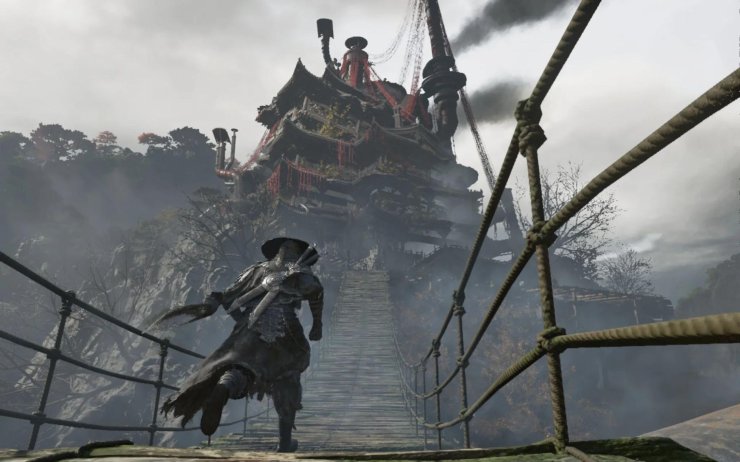
The world itself is another strong point. Environments span rain-soaked rooftops, misty mountain paths, cursed villages, and more ornate interiors, all rendered with high detail that ranks among the better-looking Unreal Engine 5 releases. The kungfupunk aesthetic blends traditional martial arts imagery with darker, stylized elements and gives locations a distinct identity. Exploration is rewarding. Hidden bosses, secret weapons, optional paths, and side activities are scattered throughout interconnected areas. Certain Phantom Edge tools also open previously inaccessible routes, encouraging backtracking once new abilities are unlocked. The design sits somewhere between linear action stages and light Metroidvania structure, with enough secrets to justify thorough searches without feeling completely open-ended.
Story and Level Design
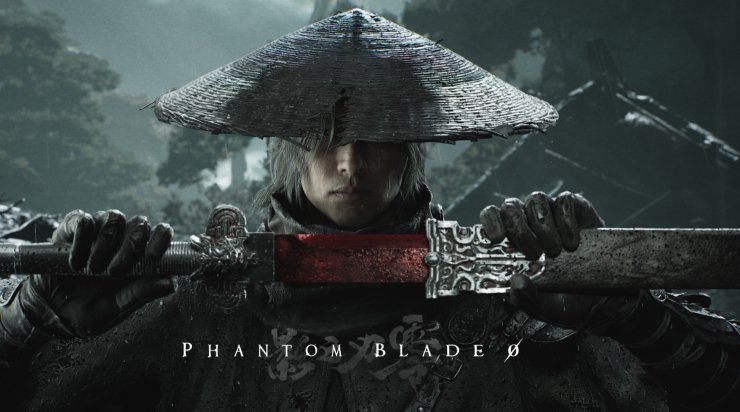
Story and presentation show clearer trade-offs. The narrative centers on Soul’s quest for answers and survival after being framed by his former order. Cutscenes, audio logs, and environmental details fill in pieces of the larger conflict involving the Phantom World and its factions. Yet characters and motivations frequently feel underdeveloped or difficult to follow. Relationships can shift without much explanation, and the writing rarely matches the energy of the combat. Many players will treat the plot as functional backdrop rather than a driving reason to continue. Level design also varies. Some sequences offer clever verticality and hidden routes, while others feel more straightforward and linear, with occasional invisible barriers or repetitive corridors that interrupt the flow.
Technical Performance
Technical execution is generally solid but not flawless. Visual fidelity and animation quality remain high throughout, and the game can look exceptional on capable hardware. Frame rates hold up well on recommended specifications when upscaling is used, though occasional hitching or minor bugs have been noted in denser areas. Balance feels slightly uneven at times. Early enemies can be trivial, while certain later encounters demand tighter timing or specific tool use. Difficulty options help, and the presence of phase checkpoints on bosses makes learning curves more manageable than in many similar titles.
Strengths and Weaknesses
Strengths
- Fast, stylish combat with deep weapon variety and satisfying parry-and-swap gameplay
- Inventive and memorable boss fights with strong choreography
- Stunning visuals, atmospheric environments, and distinctive kungfupunk aesthetic
- Rewarding exploration filled with secrets, hidden bosses, and optional content
Weaknesses
- Story and characters often feel thin or hard to follow
- Standard enemies can become repetitive and too easy
- Some linear stretches and occasional polish or balance issues
Phantom Blade Zero prioritizes the thrill of combat and visual spectacle above almost everything else. When the systems click, the game delivers some of the most engaging martial arts action available this year, with enough weapon variety and boss creativity to sustain long play sessions. The weaker narrative and uneven enemy design keep it from feeling completely polished, yet the core loop remains compelling enough that most action fans will overlook those shortcomings. Anyone looking for fluid swordplay, stylish finishers, and a world that rewards curiosity will find a strong experience here, even if the story never quite rises to the same level as the fights.






Comments