Horror gaming forums on the internet often single out older titles whose series stalled after one or two entries. These games introduced distinct mechanics that still feel fresh. Fans argue a proper sequel could modernize the systems while keeping the original tension intact.
Eternal Darkness: Sanity's Requiem
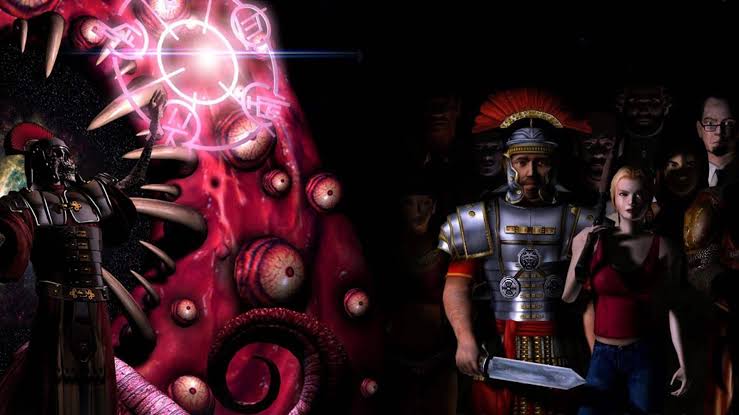
This 2002 GameCube title tracks a Sanity meter that drops when players face eldritch enemies. Low sanity triggers hallucinations, fake system errors, and fourth-wall breaks. Combat lets players target specific body parts while a rune-based Magick system creates strategic rock-paper-scissors matchups. Multiple characters across historical eras expand the story. Rights issues and studio collapse left the concept unused for decades.
Forbidden Siren
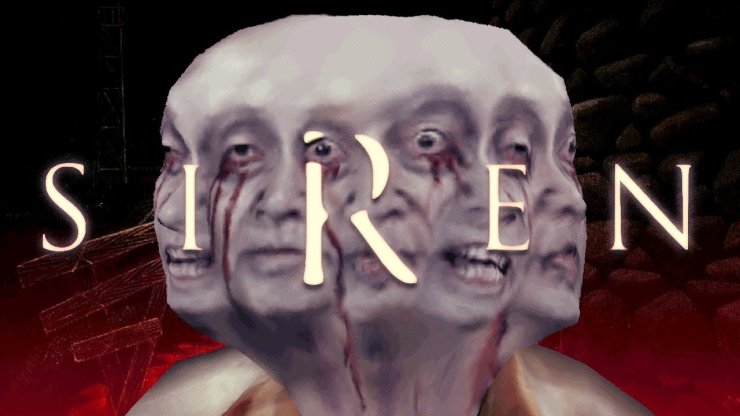
Keiichiro Toyama's 2003 PS2 game (and its sequel) centers on Sightjacking. Players pause and look through the eyes of nearby enemies or allies to plan routes. Stealth and avoidance matter more than direct combat against the Shibito. The Japanese village setting and branching character chapters create a dense, unsettling atmosphere. The series ended after a 2008 reimagining, and Sony has shown little interest since.
The Suffering
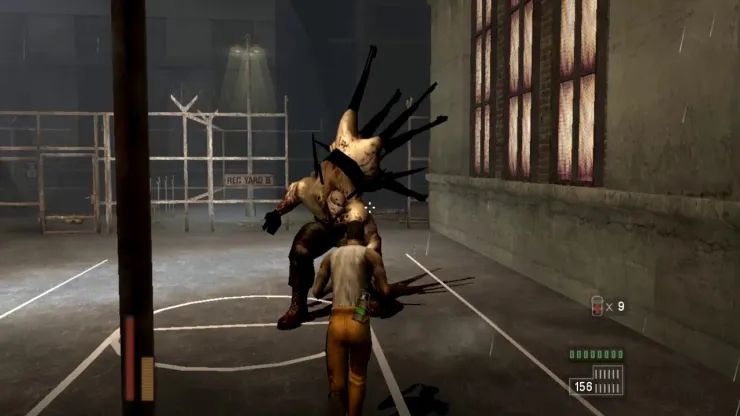
Torque, a death-row inmate, fights supernatural Malefactors inside a prison using guns and melee. Player choices alter the story and lead to multiple endings that reveal different truths about his family's fate. Creature designs by Stan Winston emphasize body horror and psychological torment. The 2005 sequel expanded the morality system, but sales disappointment ended further plans. Both games were later delisted from digital stores.
Condemned: Criminal Origins
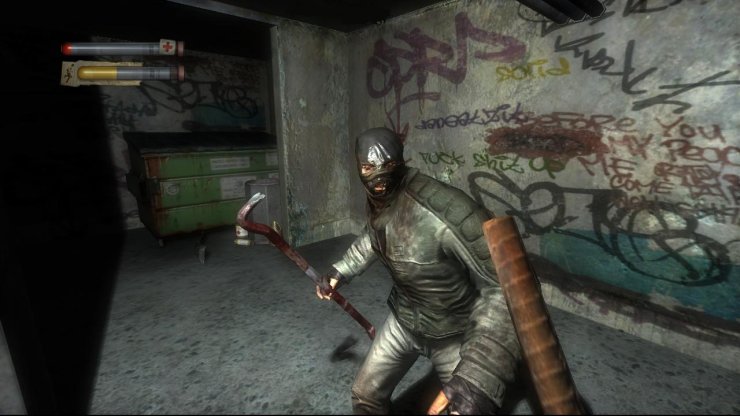
Players control an FBI agent investigating serial killers in abandoned buildings. Combat relies on improvised weapons found on the spot, such as pipes and boards, with a focus on brutal melee. Forensic tools help examine crime scenes between fights. The 2005 title and its 2008 follow-up mixed investigation with escalating violence. No new entry has appeared since.
Clock Tower
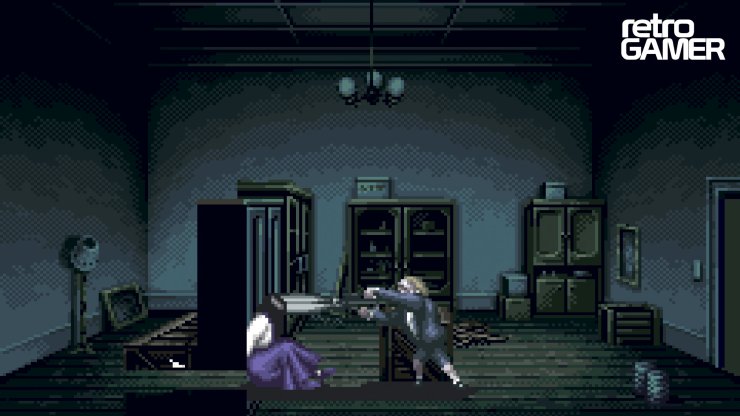
The 1995 point-and-click game places Jennifer in a mansion where she must hide from Scissorman rather than fight. Panic meter rises when she is spotted, forcing quick escapes and item use under pressure. Later entries shifted toward more action, but the original pure hide-and-seek tension is what fans still request. The series has remained quiet for years.
Haunting Ground
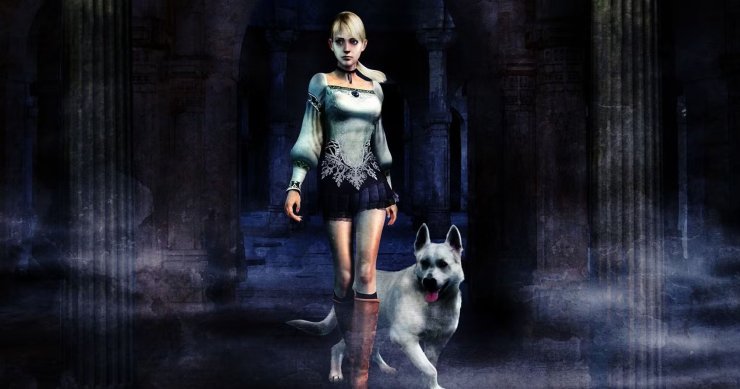
Fiona and her dog Hewie navigate a castle filled with pursuers. The dog can be commanded to search, attack, or distract while Fiona solves puzzles and flees. Chase sequences dominate the gameplay, with limited combat options. Released in 2005, it never received a sequel despite strong atmosphere and companion mechanics.
Nightmare Creatures
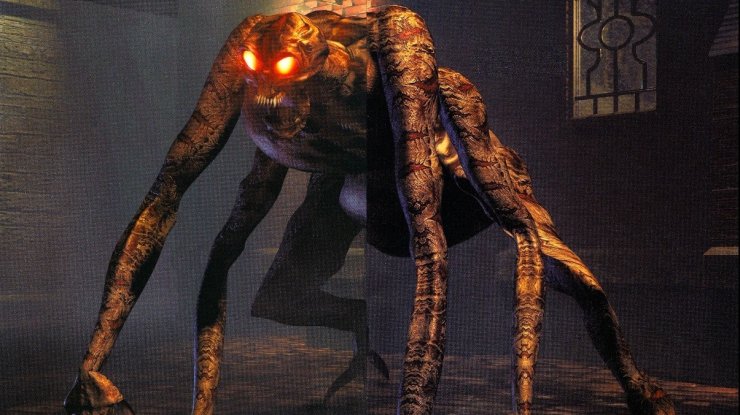
This 1997 action horror game sets players in 19th-century London fighting mutated monsters. Combos, special moves, and weapon variety drive fast-paced melee combat. The sequel arrived in 2000, after which the series stopped. Fans note the blend of historical setting and over-the-top creature encounters still lacks a modern equivalent.
Dino Crisis

Capcom's 1999 survival horror replaces zombies with dinosaurs. Players manage limited ammo, solve facility puzzles, and decide when to fight or sneak past raptors and larger beasts. Later games moved toward action, and the series has been dormant since. Community discussions frequently request a return to the original tense resource management.
Call of Cthulhu: Dark Corners of the Earth
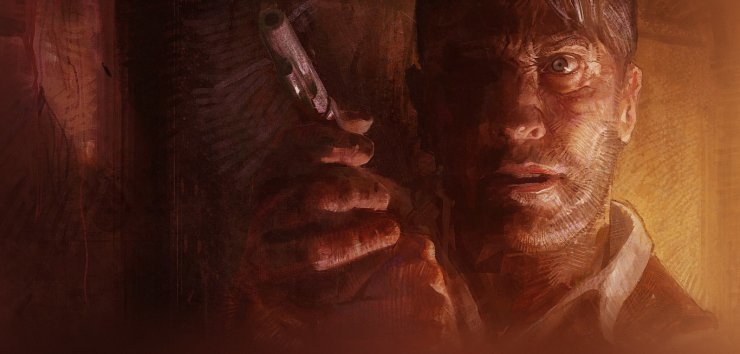
This 2005 title mixes first-person investigation with sanity loss that affects vision, hearing, and controls. Players explore Innsmouth, gather evidence, and confront cosmic threats without heavy combat. The story adapts Lovecraft material closely. No direct sequel followed, leaving the investigative approach underused.
Rule of Rose
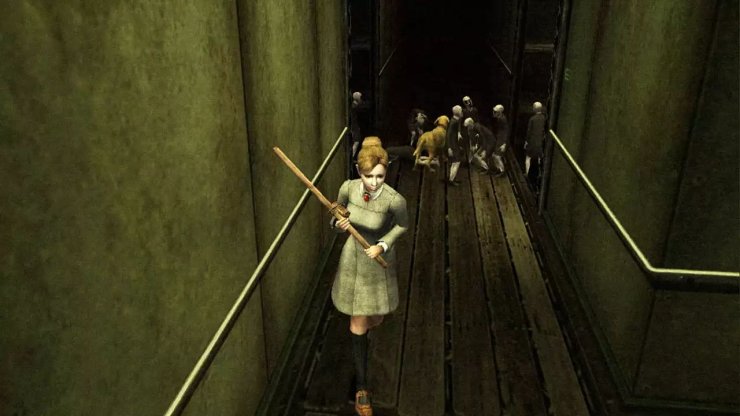
Jennifer navigates a 1930s orphanage controlled by a group of girls and their dog. Inventory is limited, combat is weak, and storytelling relies on symbolism and hierarchy among the children. The 2006 PS2 game faced controversy over its themes and never received a follow-up. Its atmospheric puzzle-adventure structure remains unique.
These titles stand out for specific systems such as sanity effects, sightjacking, moral branching, and pure evasion. Fans show consistent interest in revisiting them with modern controls and graphics. A focused sequel that preserves those core ideas could fill a gap left by more action-heavy horror releases.





Comments