These franchises stopped producing mainline entries over a decade ago. Fans want them back for their distinct gameplay systems that modern titles rarely match.
- Breath of Fire
Capcom's series centers on Ryu transforming into dragons during battles for powerful attacks. Party members include anthropomorphic animals and Nina with flight abilities. The world feels alive with recurring lore across entries. Dragon Quarter in 2002 experimented too far for many, and a later mobile attempt failed. Classic dragon combat and exploration remain highly requested. - Golden Sun
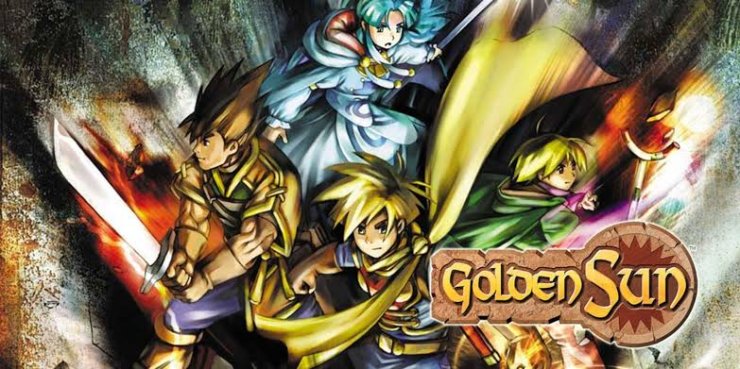
Camelot's GBA and DS games use Psynergy for elemental magic that solves environmental puzzles and fuels combat. The story spans continents with a cliffhanger ending in Dark Dawn. Dungeon design rewards clever use of abilities over pure grinding. No new entry has appeared since 2010 despite strong forum support. - Shadow Hearts
This horror-tinged series mixes historical settings with supernatural elements. The Judgment Ring requires timed button inputs for attacks, magic, and items. Combat feels tense and skill-based rather than menu-driven. From the New World in 2005 ended the line. Fans praise the unique tone and mechanics on Reddit threads. - Wild Arms
The series blends fantasy with a western frontier aesthetic. Players equip ARMs, gun-like weapons, and explore a desolate world full of ancient tech. Dungeons emphasize puzzles alongside turn-based fights. The last major console entry arrived in 2007. A spiritual successor project was later cancelled, leaving the original formula dormant. - Skies of Arcadia
Sega's sky-pirate adventure features ship-to-ship battles and exploration of floating islands. Party members pilot airships while engaging in classic JRPG combat. Discovery of new lands and moon crystals drives progression. Only one main game exists, with a GameCube port. Trademark activity has sparked hope, but nothing new has launched. - Grandia
Game Arts focused on positioning and timing in battles. Characters move on a gauge, allowing interrupts and combo potential. The system rewards spatial awareness over simple menu choices. Early entries received remasters, yet no new mainline game has followed Grandia III. The battle style still stands out in community discussions. - Parasite Eve
Square's hybrid mixes RPG progression with action elements and body horror. Aya Brea uses PE powers in real-time encounters against mutated foes. Resource management and transformation abilities define combat. The 3rd Birthday in 2010 shifted the formula and effectively ended the series. Players want a return to the original RPG roots. - Lunar
Game Arts' classic features distance-based battles where character placement affects range and strategy. Stories revolve around dragons, gods, and destiny with strong character writing. The series pioneered anime-style presentation in Western releases. A poorly received later entry hurt momentum. Remasters exist, but a new game remains absent. - Lufia
Neverland's series is known for intricate dungeon puzzles and the randomized Ancient Cave mode. Players solve environmental challenges while managing party resources. The story involves descendants fighting ancient evils. Curse of the Sinistrals in 2010 was the last original entry. Upcoming ports of early games help access, yet fans still request a full revival. - Suikoden
Konami's series lets players recruit up to 108 Stars of Destiny, each with unique skills for combat, base building, and army battles. Strategic war segments mix with traditional JRPG fights. The large cast and political storylines create replay value. Remasters and side projects have appeared, but no new mainline numbered entry has arrived in years. Community calls for continuation remain strong.
These franchises stand out because of specific combat systems, exploration tools, and party mechanics that feel different from current JRPG trends. A well-made revival focused on those core gameplay ideas could succeed with modern audiences.


Comments