The Gundam franchise has produced hundreds of games across decades, but only a handful deliver combat systems that feel responsive, deep, and true to piloting a mobile suit. This ranking focuses strictly on gameplay: controls, combat loops, customization, skill expression, and how long the core mechanics stay engaging. Story and presentation matter less here than whether the game lets you master thruster management, part mixing, or tactical positioning in satisfying ways.
1. Mobile Suit Gundam Extreme Vs. Maxiboost ON
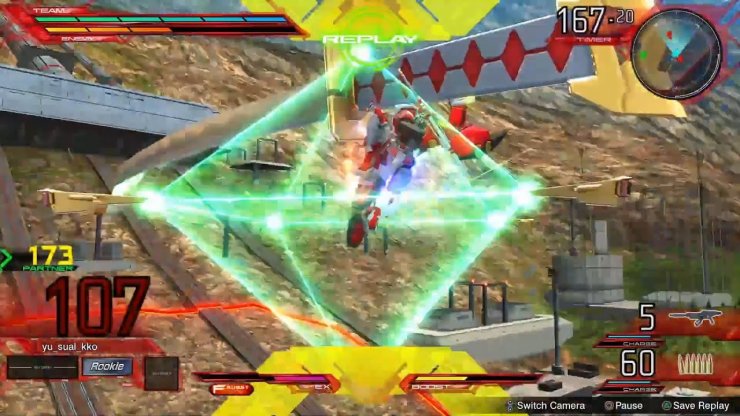
This is the peak of the Versus series and the best modern arena fighter in the franchise. Matches are short 2v2 battles that reward precise boost gauge management, weapon cancel timing, and assist call placement. Nearly 200 mobile suits each carry distinct movesets, so a heavy support unit plays nothing like a fast close range general.
- Learning to bait an opponent into a bad thruster spend then punish with a well timed beam rifle or melee follow up creates high skill ceilings.
- Arcade roots show in clean inputs and readable animations that make every exchange feel fair once you understand the system.
- Ranked play stays active for years because matchup knowledge and assist timing keep improving with practice.
2. Gundam Breaker 4
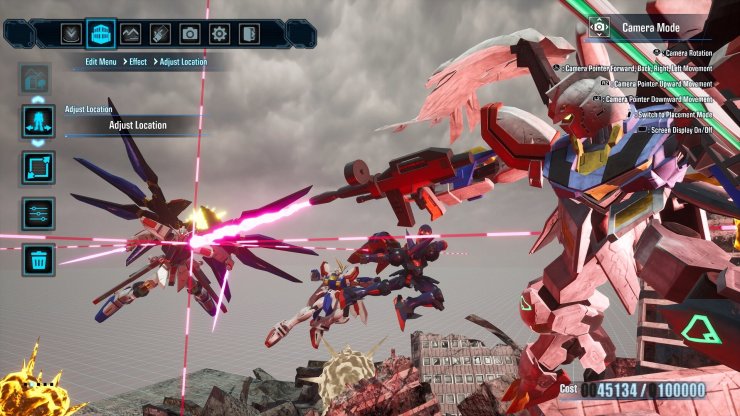
Real time action built around breaking enemy mobile suits for parts and rebuilding your own. The core loop is fluid: you dash in with thrusters, land combo strings that mix beam sabers, rifles, and unique weapons, then harvest dropped parts mid fight.
- Custom builds matter because head, torso, arm, and leg pieces change both stats and available moves.
- A suit assembled from mixed series parts can access unexpected combos that pure stock units cannot.
- Co op missions encourage coordinated part farming and let you test builds against tougher variants.
- Tighter hit feedback and more generous drop rates keep the upgrade cycle moving without long dry spells.
3. SD Gundam G Generation Cross Rays
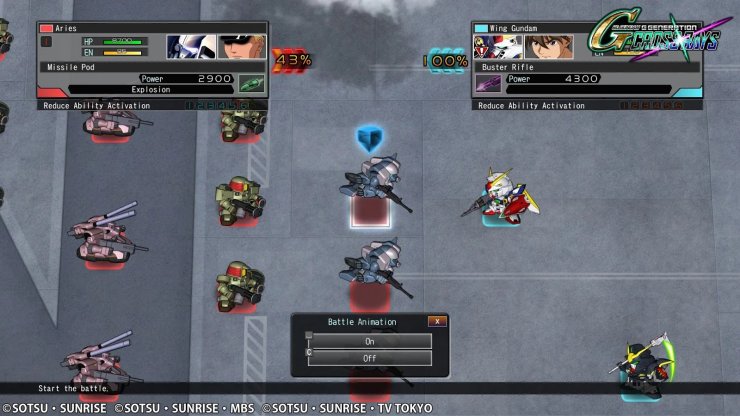
A deep turn based strategy title that lets you field mixed squadrons of mobile suits, ships, and pilots from multiple timelines. Positioning and support skills decide battles more than raw power levels.
- You can set up overlapping attack ranges, use ship based repairs, and trigger pilot specific abilities at the right moment.
- The development system rewards long term planning because early investments in certain units unlock stronger options later.
- Cross timeline team building creates strong synergy, such as pairing a high mobility ace with a durable support unit.
- Maps vary enough that the same squad composition rarely solves every mission the same way.
4. Gundam Battle Assault 2
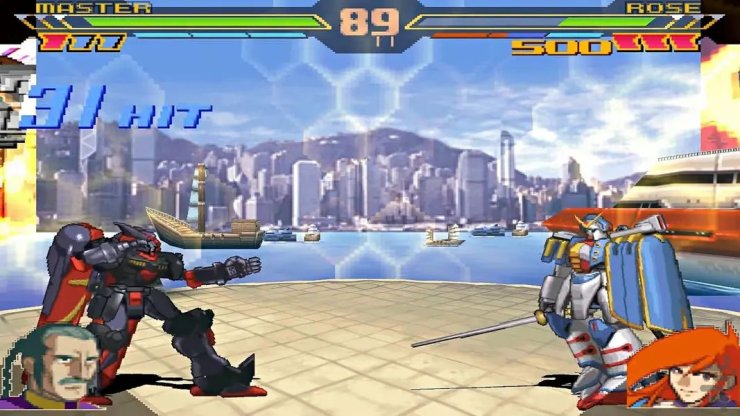
A classic 2D fighter that translates mobile suit scale into readable, technical combat. Each of the 30 suits has unique armor properties, special moves, and thruster dashes that affect spacing.
- The armor bar system adds an extra layer because breaking it opens up heavier damage windows.
- Rounds stay short yet demand solid fundamentals: anti air timing, super meter management, and knowing projectile control versus close range pressure.
- The game remains accessible for casual matches while still rewarding players who lab specific matchups.
- Clean sprite work and responsive inputs have kept it relevant long after release.
5. Dynasty Warriors Gundam Reborn
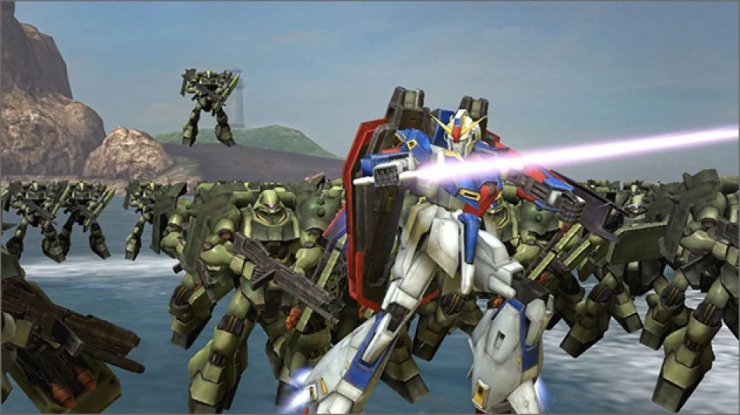
Musou style action where one mobile suit clears large groups of grunts while managing mission objectives. Charge attacks and EX specials clear space quickly, but partner assists and map control keep the pace from becoming pure button mashing.
- Different suits change how you approach waves: some excel at wide sweeps, others at focused boss damage.
- Mission timers and optional targets force you to decide when to farm kills and when to push the main objective.
- The roster covers both Universal Century and alternate timelines, so switching units mid campaign refreshes the combat feel.
- Partner assists and EX moves provide reliable tools for both crowd control and single target pressure.
6. SD Gundam Battle Alliance
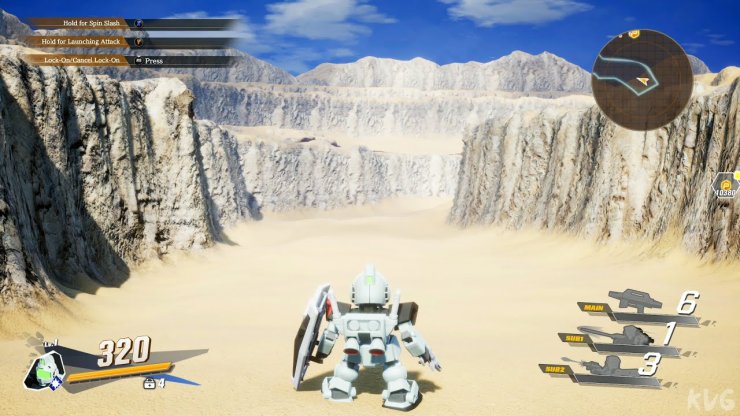
An action RPG that mixes fast combo chains with team based special attacks across multiple Gundam timelines. You chain basic strikes into stronger finishers, then trigger coordinated moves with AI or co op partners.
- Upgrades improve mobility, attack patterns, and gauge generation, so progression changes how you play rather than just raising numbers.
- Missions reward efficient routing and high score play, which keeps the loop from feeling purely story driven.
- The super deformed style does not reduce the depth of thruster use or weapon swaps.
- Co op adds another layer because synchronized specials deal more damage and clear denser enemy groups.
7. Gundam Battle Operation 2
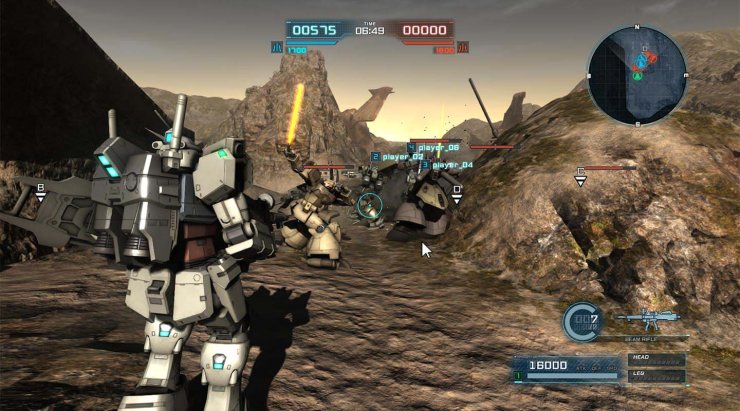
A free to play team shooter built around 6v6 matches with distinct role types. Boost management, weapon cycling, and map control decide most fights.
- You capture points, plant bombs at bases, or eject to repair allies, so pure combat skill is only part of the win condition.
- Custom parts alter thruster efficiency, reload speeds, and hit points, letting you tune a suit toward your preferred playstyle.
- The learning curve is steep because intermediate tutorials cover advanced cancels and positioning that are not obvious at first.
- Once understood, the systems support both casual matches and more competitive team play.
8. Gundam Breaker 3
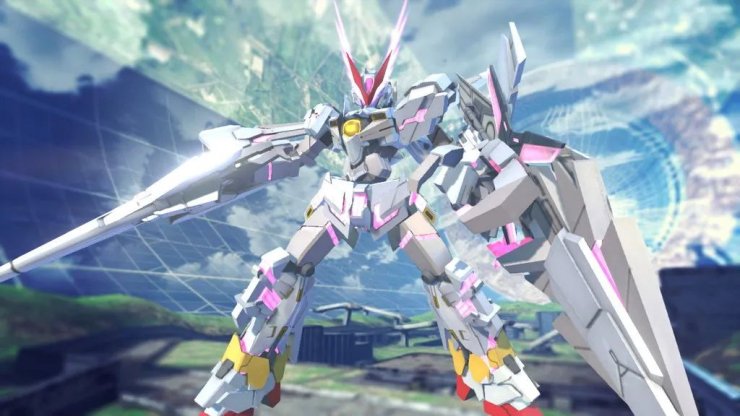
The earlier entry that defined the series formula of part breaking and deep customization. Combat rewards precise timing on melee strings and ranged interrupts.
- You can mix parts across many series to create builds that emphasize speed, durability, or specific weapon types.
- The drop system and upgrade paths stay engaging because better parts open new combo routes rather than simple stat increases.
- Missions scale in difficulty and enemy variety, which keeps testing your current build.
- Many players still prefer its tighter balance and clearer progression over later attempts.
9. Mobile Suit Gundam Zeonic Front
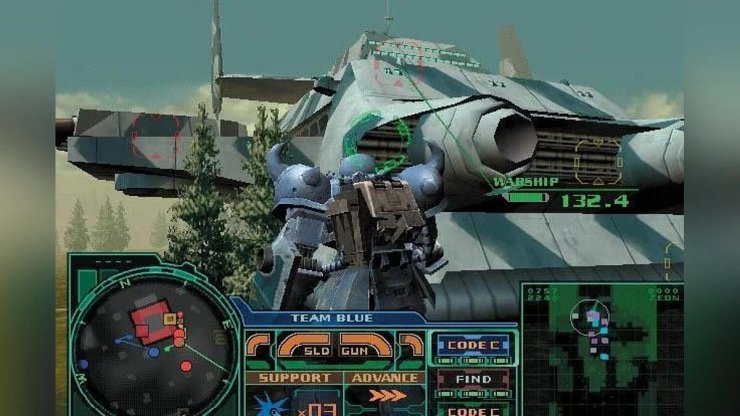
A tactical shooter that places you in command of a Zeon squad during the One Year War. You issue movement orders, set ambushes, and manage limited ammunition and repairs across missions.
- Direct piloting exists, but success usually comes from planning routes and using support units at the right time.
- Resource scarcity forces careful choices about which mobile suits to commit to each objective.
- The slower pace rewards observation and positioning over pure reaction speed.
- It stands out because it treats mobile suit combat as coordinated warfare rather than solo heroics.
10. MS Saga: A New Dawn
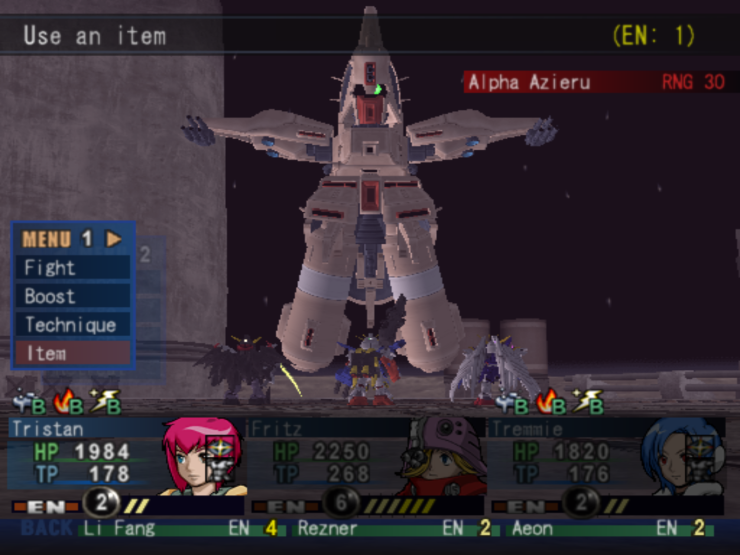
A turn based RPG built around extensive part swapping that changes both performance and appearance. Energy points limit how often you can use strong weapons, so saving for boost attacks creates meaningful risk reward decisions each turn.
- You can field three active suits while others recover in the back line, adding simple party management.
- Melee hits harder but risks counters, while ranged options stay safer.
- The customization grid lets you attach weapons and armor in limited slots, so every build involves trade offs.
- Boss fights test whether your current loadout can handle specific threats without relying on pure level grinding.
These ten games succeed because their systems reward practice and experimentation. Arena fighters emphasize precise inputs and matchup knowledge. Strategy titles focus on positioning and long term planning. Customization heavy entries let you express creativity through part combinations that change how fights play out. Whether you prefer short ranked matches, large scale maps, or deep build crafting, each entry offers a distinct way to pilot mobile suits that stays engaging well past the first few hours. The best Gundam games are the ones that make the act of controlling a giant robot feel both powerful and skill based.







Comments