Many players start an RPG with the intention of exploring darker options, yet most never follow through. In titles built around meaningful decisions, the evil route often feels unappealing even when the game explicitly allows it. The gap between intention and action comes down to how the systems respond, what content you lose, and whether the experience stays interesting.
Consequences Hit Harder Than the Rewards
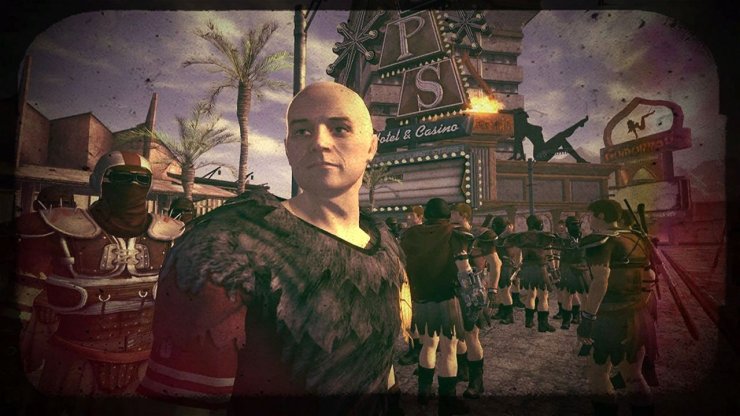
In open world crime games, killing random characters carries almost no lasting weight. The same action in a heavily written RPG permanently removes that character, locks you out of side content, and turns the surrounding world hostile. Detonating a town in one well known post apocalyptic title might grant money and a temporary base, but it also destroys potential companions, removes unique items, and marks you as an outlaw for the rest of the run. The good path, by contrast, opens more quests, improves karma driven interactions, and keeps more of the map usable. When the practical cost of cruelty exceeds any short term gain, most players simply avoid the option.
Evil Playthroughs Rarely Feel Fun
Roleplaying systems invite players to insert themselves into the world and make choices they can live with. Choosing constant selfishness or mass violence usually isolates the character, strips away dialogue, and reduces the number of people you can meaningfully interact with. The result is a quieter, emptier game rather than a more interesting one. Good aligned routes tend to keep more companions alive, unlock additional story branches, and deliver better mechanical rewards. Because the sociopathic approach removes the very systems that make the genre enjoyable, players quickly lose interest and reload.
Most Players Prefer Decisions That Match Their Own Values
Surveys of players in major choice based releases show the overwhelming majority lean toward the kinder path on a first run. Nuanced faction stories make pure evil even less attractive, since every major group has clear flaws and the game rarely presents a cartoon villain option as the best strategic move. Developers still include darker branches because the existence of the choice itself matters. Knowing you could have burned the town down but chose not to is part of the freedom these games sell. The systems simply do not make that darker path competitive or entertaining for most people who sit down to play.
Until evil routes consistently offer unique content, lasting mechanical advantages, and writing that treats the player character as more than a destructive force, the majority of players will keep taking the route that keeps the world populated and the experience rewarding.






Comments