The Hidden Sound Design of Crazy Time: How Music and Effects Influence Player Choices
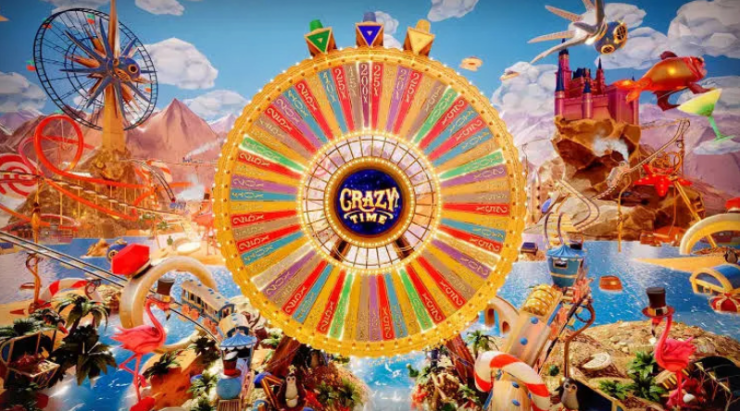
In the world of live casino games, visuals often steal the spotlight—but sound is the silent architect shaping player behavior. Crazy Time, Evolution’s iconic live game show, is a masterclass in audio psychology. From the moment players spin the wheel, the game’s layered music, rhythmic cues, and celebratory effects guide attention, heighten emotion, and subtly influence decisions. Whether you’re watching a streamer or exploring a Crazy Time download to experience the game’s immersive audio firsthand, it quickly becomes clear that sound is not just decoration—it’s strategy.
This article dives deep into the hidden sound design of Crazy Time, revealing how music and effects influence player choices, timing, risk appetite, and overall engagement. By understanding the mechanics behind the audio, players can become more aware of how their emotions are shaped—and developers can appreciate the sophistication behind a seemingly playful soundtrack.
Sound as a Behavioral Tool in Live Games
Sound design in live games has one primary goal: sustain engagement without overwhelming the player. Crazy Time achieves this through a dynamic soundscape that evolves with the game’s pace. Calm, anticipatory tones during standard spins encourage measured betting, while escalating rhythms during bonus rounds create excitement and urgency.
This isn’t accidental. Studies in game psychology show that tempo, pitch, and volume can influence decision speed and risk tolerance. Crazy Time uses these principles to keep players attentive and emotionally invested, nudging them toward continued participation.
The Opening Ambience: Setting Expectations
Before the wheel even spins, Crazy Time introduces players to a bright, upbeat musical theme. The opening track is playful and inviting, signaling that this is entertainment-first gaming. The tempo is moderate, avoiding anxiety while still building anticipation.
This initial ambience serves two purposes:
- Lowering Entry Barriers: Friendly sounds make new players feel welcome.
- Framing the Experience: The music suggests fun over fear, encouraging exploration of bets and bonuses.
By setting this tone early, the game primes players to associate participation with enjoyment rather than stress.
Rhythmic Cues and Betting Decisions
One of the most subtle influences of sound design appears during the betting window. The background music maintains a steady rhythm, acting as an internal metronome. As the betting time nears its end, audio cues subtly intensify—slightly faster beats, brighter tones—signaling urgency without explicit prompts.
This rhythmic escalation can influence players to finalize bets more quickly, sometimes opting for familiar or emotionally appealing choices rather than calculated ones. It’s a gentle push, not a shove, but it demonstrates how timing and sound work together to guide behavior.
Spin Sounds and Anticipation
The wheel spin is where Crazy Time’s sound design truly shines. Each rotation is accompanied by a satisfying mechanical rhythm, creating a sense of momentum. As the wheel slows, the clicking becomes more pronounced, heightening suspense.
This auditory countdown mirrors the visual deceleration, doubling the emotional impact. Players often report feeling their heart rate sync with the clicks—a phenomenon known as auditory entrainment. The result? Heightened anticipation that makes outcomes feel more dramatic, whether they win or lose.
Bonus Round Audio: Amplifying Risk and Reward
When a bonus round is triggered, the soundscape shifts dramatically. Music becomes louder, faster, and more layered. Each bonus—Coin Flip, Cash Hunt, Pachinko, and Crazy Time—has its own distinct audio identity, reinforcing its personality.
- Coin Flip: Clean, sharp sounds emphasize binary choice and tension.
- Cash Hunt: Rapid-fire effects mimic a game show rush, encouraging quick picks.
- Pachinko: Cascading tones reflect unpredictability and motion.
- Crazy Time Bonus: Explosive music and celebratory effects amplify excitement and perceived value.
These audio shifts can increase risk tolerance. The celebratory sounds make players feel closer to a big win, even before results are known, subtly encouraging higher multipliers and bolder choices.
Host Interaction and Vocal Dynamics
Live hosts are central to Crazy Time, and their voices are carefully integrated into the sound design. Microphone clarity, slight reverb, and balanced volume ensure hosts feel present but not overpowering.
Hosts often raise their energy during critical moments, and the sound mix supports this by slightly reducing background music, making vocal cues more prominent. This draws player attention to key moments—like multiplier reveals—reinforcing excitement and social connection.
Winning Sounds vs. Near-Miss Effects
Winning in Crazy Time is accompanied by bright, triumphant audio—major chords, rising melodies, and celebratory effects. These sounds create strong positive reinforcement, encouraging repeat play.
Interestingly, near-miss outcomes also have distinct audio cues. They’re not silent or discouraging; instead, they often feature suspenseful tones that suggest “almost there.” This can maintain motivation, making players feel close to success rather than defeated.
Emotional Memory and Brand Identity
Sound design also plays a long-term role in brand recognition. The Crazy Time theme is instantly recognizable, creating emotional memory. Players who hear similar tones elsewhere may recall past excitement, reinforcing loyalty to the game.
This auditory branding is especially effective in live casino environments, where many games compete for attention. A familiar sound can draw players back without a single visual cue.
Becoming a More Aware Player
Understanding the influence of sound doesn’t diminish the fun—it empowers players. By recognizing how music and effects shape emotions, players can pause, reflect, and make more deliberate choices.
Simple strategies include:
- Muting sound during high-stakes decisions to reduce emotional pressure.
- Lowering volume to maintain awareness without losing atmosphere.
- Taking breaks after intense bonus rounds to reset emotional state.
Conclusion: Sound as the Invisible Game Master
The hidden sound design of Crazy Time proves that audio is far more than background noise. It’s an invisible game master, guiding emotions, shaping decisions, and enhancing entertainment. From rhythmic betting cues to explosive bonus music, every sound is crafted to influence how players feel and act.
Whether you’re experiencing the game live or through a Crazy Time download, listening closely reveals a sophisticated layer of design that transforms chance into spectacle. By understanding this audio architecture, players can enjoy the thrill while staying mindful—turning sound from a subtle influencer into a tool for smarter play.












Comments