Steam is usually ruled by shooters, live service giants, and expensive sequels. This week a small boutique sim cut its way onto the same list.
Dressmaker launched on September 21, 2026. Within a day it had a 96 percent positive rating and Steam’s rare Overwhelmingly Positive badge. Reports also placed it at number nine on the global top sellers chart, ahead of much larger releases including Diablo IV.
That is an unusual climb for a game about fabric, scissors, and a shop window.
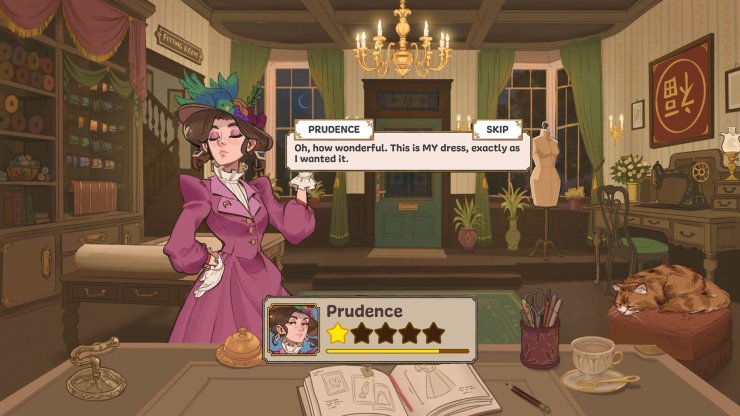
A boutique built around real dressmaking
You play as the owner of a small town boutique. Customers arrive with tastes, events, and very specific requests. You choose cotton, linen, wool, silk, or velvet. You lay out patterns, cut them, feed the pieces through a sewing machine, then finish the garment with buttons, bows, lace, and appliqué. Alignment matters. A piece cut on the grain looks different from one cut on the bias. The finished dress is the product of those choices, not a menu of presets.
The loop is simple on paper. Take a commission, make the dress, earn coin and reputation, unlock better materials, and stock your window with ready-to-wear pieces. The surprise is how much control the game gives you. You can honor a customer’s request exactly. You can also go sideways. The store page is blunt about it: satisfy the townsfolk, or sabotage them.
That mischievous option is part of why the game feels less like a sterile crafting tool and more like a shop with personality. Reviews keep returning to the same idea. The systems feel handmade. The work is tactile. Time disappears while you pin flowers onto a bodice or wrestle with a pattern layout that will not sit right.
How a niche sewing sim reached the top sellers
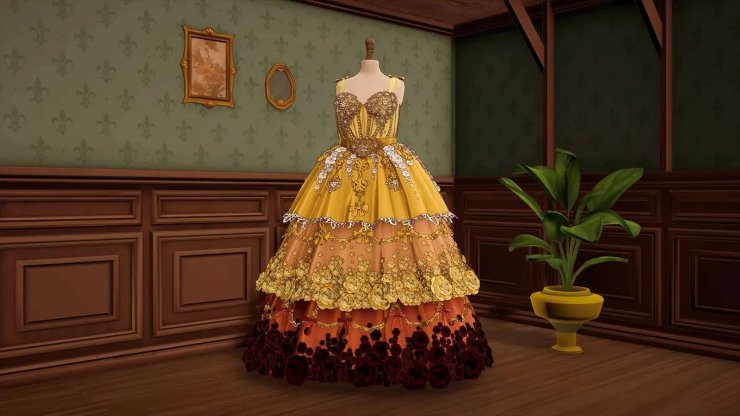
Cozy Lives developed the game, with Free Lives publishing. The pairing looks strange on paper. Free Lives is better known for loud, physical games. Dressmaker is the opposite: quiet, detailed, and almost stubbornly sincere. Before launch some people called the idea too niche. A free prototype still found an audience, and the full release arrived with hundreds of thousands of wishlists.
Creator Jonathan Hau-Yoon wrote after launch that loving your own game can be dangerous. It can hide flaws and inflate hopes. Then the first day arrived. Hundreds of players called it their dream game. Discord filled with finished dresses. Streamers sat down with the sewing machine and stayed. The team also said the game recouped its development costs inside 24 hours.
What the first-day spike actually means
That mix of praise and sales is rare for a $15 cozy sim, especially one sold at $13.49 during its launch discount. Charts move fast, and later snapshots already showed bigger titles reclaiming ground. The first-day spike still matters. It showed that a focused craft game can compete, at least for a moment, with blockbuster names.








Comments