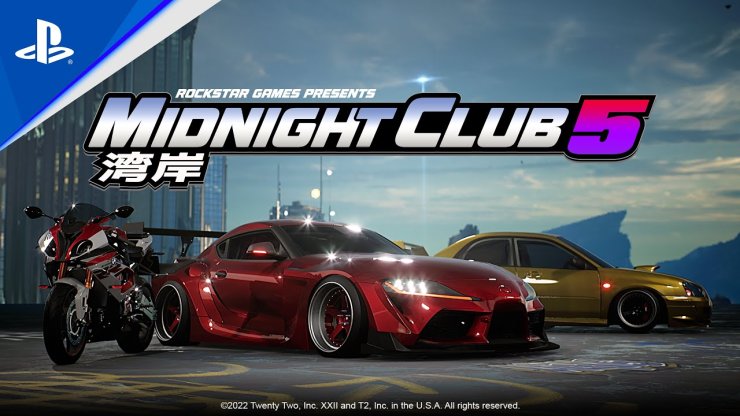
A former Rockstar Games senior designer has detailed why a planned fifth entry in the Midnight Club series never saw the light of day. Kris Roberts, who worked on the racing franchise and later contributed to multiplayer for the original Red Dead Redemption, said the project was canceled in its early stages largely because studio leadership viewed it as secondary to Grand Theft Auto.
Early Development and the London Prototype
Roberts left Rockstar around 2010. At that point, the core team at Rockstar San Diego was still pushing forward with what they called Midnight Club 5 or a similar title. They had begun map development and created prototype cities. One of those locations was London.
The work did not continue for long. According to Roberts, a non-trivial conflict existed between the San Diego studio and Rockstar’s New York headquarters. Missed deadlines during the production of Midnight Club: Los Angeles played a role. In the era before widespread digital distribution, those delays carried real financial risks.
Internal Conflicts and the View That It Was Not GTA
Creative control and internal perception mattered just as much. The San Diego team believed Midnight Club stood as a solid, world-class racing series. Player engagement data reportedly showed it held attention longer than rivals such as Need for Speed and Burnout. Yet New York measured everything against GTA.
“The perception was we never got the accolades or the reception,” Roberts explained in an interview with Insider Gaming. “The New York perspective was, ‘You’re not GTA’. When you’re the red-headed stepchild project, you know, we’re doing a good job, we’re world-class, but we’re still treated less than. It was challenging.”
Aftermath and the End of the Franchise
Once the cancellation came, the team was broken up. Some developers moved over to work on Rockstar’s RAGE engine or joined Red Dead Redemption. Others left the company. Roberts said the message was unmistakable: there would be no more Midnight Club. Resources would go toward GTA and similar major projects moving forward.
Midnight Club: Los Angeles, released in 2008, remains the last mainline entry in the series. Rockstar had built a reputation for open-world street racing that mixed arcade handling with detailed city environments and extensive vehicle customization. The franchise began in 2000 and produced several well-regarded titles over the following decade.
The cancellation fits a broader pattern at Rockstar of concentrating efforts on its biggest brands. Fans have long hoped for a return, remaster, or spiritual successor, especially given the series’ influence on vehicle physics and open-world streaming that later appeared in GTA titles. Nearly two decades later, those hopes remain unfulfilled.
Roberts’ comments offer a rare look inside the decisions that shaped Rockstar’s priorities during a pivotal period. They also underscore how even successful projects could struggle for attention when they fell short of the cultural and commercial impact of Grand Theft Auto.





Comments