Years after official servers for older Halo titles went dark, dedicated fans continue to breathe new life into classic multiplayer. Through ambitious mods and in person LAN reunions, the community has restored and expanded the experiences that defined the series for a generation of players.
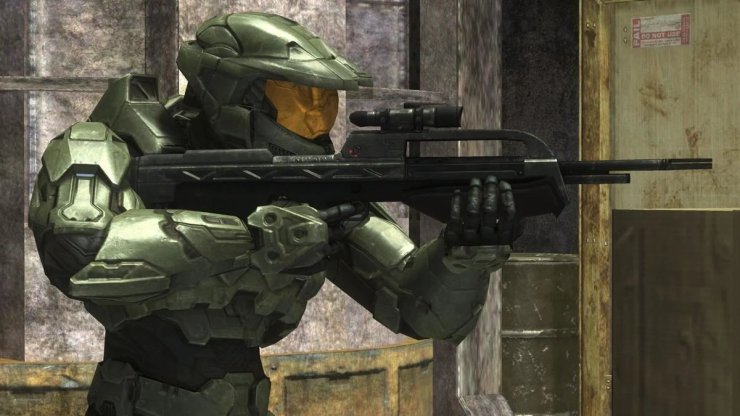
Modders have taken the lead in preserving and improving these games. Projects such as Insignia have brought original Halo 2 multiplayer back online for original Xbox consoles, recreating the Xbox Live experience that shut down more than a decade ago. On PC, Project Cartographer restored multiplayer for the Halo 2 Vista release, adding modern fixes, higher resolutions, a server browser, and even extra modes like gun game and zombies. More recent efforts go further. HaloDecomp, built from a decompiled version of Halo Combat Evolved, has demonstrated matches with up to 128 players on custom maps. Project Reclaimer turns Halo 3 from the Master Chief Collection into a standalone experience with dedicated servers, automatic mod downloads, expanded Forge tools, and support for 64 player games plus four player split screen online. Other mods restore cut content, improve physics, and add features that official releases never included.
These technical achievements pair with a return to local multiplayer. Across the United States and beyond, groups of longtime friends organize LAN reunions that echo the system link parties of the early 2000s. One recent gathering saw friends reconnect after more than 20 years for a Halo 2 System Link session on original hardware. Regional organizers host regular events with original Xbox and Xbox 360 consoles linked to CRT televisions. Groups in places like Denver, the Pacific Northwest, and California run tournaments, free play sessions, and monthly meets. Some supply the hardware themselves, while others rent setups or invite players to bring their own consoles and PCs. Attendees often describe the mix of competition, trash talk, pizza, and shared memories as a direct link to the series at its peak.
The combination of massive mods and local reunions shows how strongly the community remains attached to classic Halo. While newer entries face ongoing criticism, fans have chosen to fix, expand, and gather around the versions they already love. The result is a living multiplayer scene that does not rely on official support. As long as modders keep pushing engine limits and friends keep hauling consoles into living rooms and event spaces, the golden era of Halo multiplayer stays within reach.










Comments