Square Enix does not want Final Fantasy 7 to freeze as a 1997 classic. At a PAX West 2026 panel titled From Reunion to Resolve, director Naoki Hamaguchi and battle director Teruki Endo said the remake project should turn the series into an IP with an ever-evolving future. Final Fantasy 7 Revelation, due April 8, 2027 on PlayStation 5, Xbox Series X|S, Nintendo Switch 2, and PC, will close the remake trilogy. The company still wants the world of Midgar, the Highwind, and Sephiroth to keep growing after that finale.
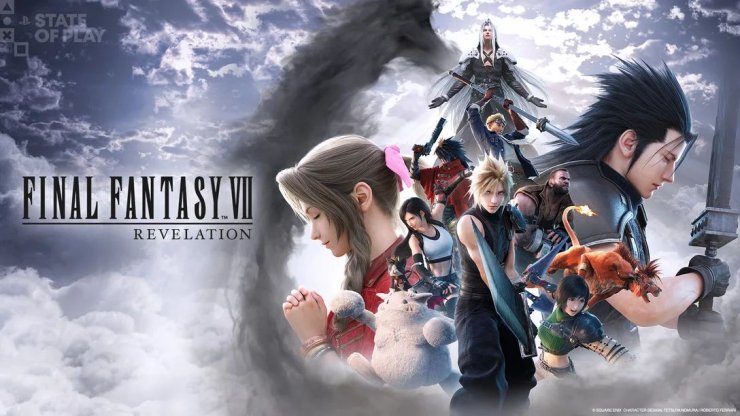
Built for New Fans Decades From Now
Hamaguchi framed the trilogy as more than a high-budget retelling. Technology, respect for the original themes, and a wish to reunite with longtime players all mattered. The larger aim is to pass the story to people who will discover it 20 or 30 years from now. Remake focused on reunion, Rebirth on bonds, and Revelation on resolve, with outcomes shaped by player choices. New mysteries were added so veterans still find surprises, while pieces of the wider Compilation help the planet feel larger than one game. The team wants modern players to sink in naturally, then leave a foundation that later creators and fans can keep using.
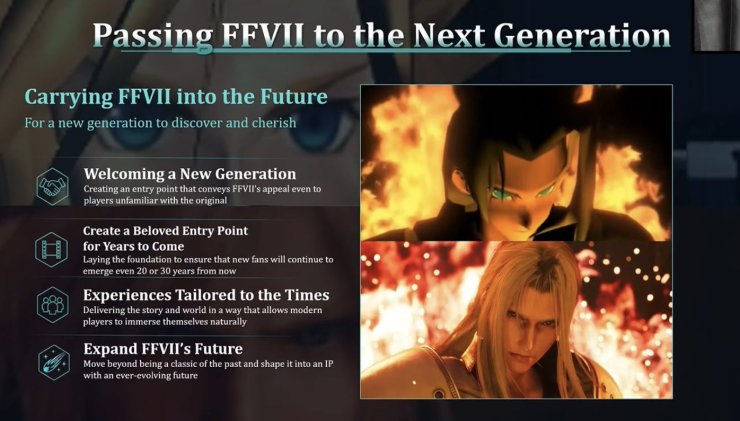
The Trilogy Ends. The Universe Does Not.
Hamaguchi has been clear that Revelation will finish the remake story in the base game. Any later DLC would likely follow Episode Intermission, a character-focused spin-off about untold stories rather than a required epilogue. After launch, Square Enix plans to watch reviews and demand. If fans want more and the studio has a fresh idea, another project could follow. That could mean ports, new games, or stories tied to Compilation entries such as Advent Children and Dirge of Cerberus. Hamaguchi himself is thinking about a new grand-scale JRPG after this decade of work, inside Final Fantasy or on another Square Enix IP. The message from PAX West is simpler: Cloud’s remade journey has an ending, but Final Fantasy 7 as a living world is meant to keep changing.










Comments