How Chance Shapes Games and Storytelling in Pop Culture
Something weird has happened in video games. Even games that are not about gambling have found ways to incorporate systems that feel like chance, risk, and reward.
You see it in loot boxes, random drops, spinning wheels, and other things where you are waiting to see what fate decides for you. When games use these systems, they aren’t trying to manipulate you. They are touching on something deeper about play, risk, and why we keep coming back for more.
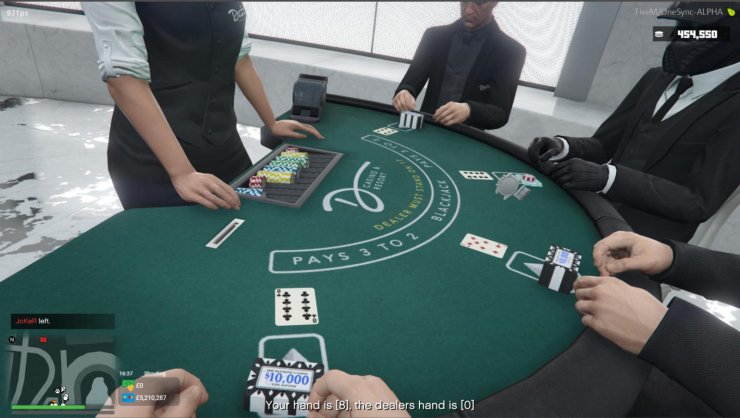
And these mechanics aren’t limited to virtual worlds: casino culture has seeped into pop culture in a way that feels familiar, and sometimes, intentionally nostalgic. I’ll admit - even for someone who doesn’t gamble in real life, I can’t deny the pull of uncertainty in games.
One real‑world example of how deep these systems have become is Curacao online casinos, which operate under specific regulatory frameworks and host a wide range of games.
Designers regularly watch platforms like that to see how players respond to odds, incentives, and reward loops. While most games don’t involve real money, the emotional mechanics - tension, hope, disappointment, surprise - closely resemble them.
What Makes Chance So Engaging
There’s a simple reason why games borrow from gambling psychology. Humans don’t actually care about the object we might get - we care about the possibility. That tiny moment before a reward is revealed is loaded. It’s the same pull no matter what universe you’re in: whether you are opening a loot box, waiting for a critical hit in a boss fight, or peeking at a random event in a narrative game.
The emotional hook comes from not knowing. If every reward in a game was guaranteed, the game would feel predictable, and players would lose interest faster. But when there’s uncertainty, the experience changes. That’s why we feel a rush even when all we’re doing is clicking to reveal something on a screen. The outcome matters because we don’t already know what it will be.
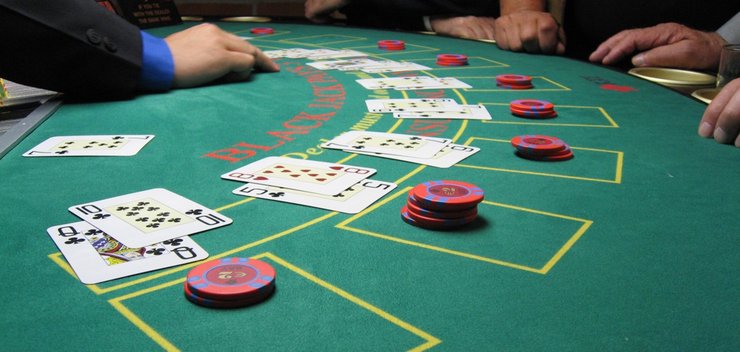
Movies and TV have long understood this, too. Casino scenes in films are a shorthand for high stakes, even when the stakes aren’t life and death. Look at how many thrillers set a crucial confrontation around a card game or dice table. It’s not just a game; it’s a symbol of risk and decision, of pressure under lights and cameras. Pop culture borrows that imagery because it works.
How This Shows Up in Games Today
These mechanics show up in every genre. In massive RPGs, you might defeat a monster and hope it drops something rare. In sports games, opening virtual card packs feels a lot like pulling the handle on a slot machine. And in many narrative games, choices with a hint of randomness can shift a story in surprising ways.
None of these systems are inherently bad. In fact, when they are done well, they can be deeply satisfying. Consider the tension of closing in on a long‑sought achievement. You know what it might mean, and you want it. That feeling is exactly what makes those mechanics so powerful.
But there’s a balance. If players feel like games are leaning on uncertainty to mask boring gameplay or to push purchases rather than meaningful interaction, that’s when frustration sets in.
Players aren’t simplistic; we notice when mechanics are used for engagement versus when they are used primarily for monetization. The moment it feels like the game is pushing us toward spending real money just for the chance of something desirable, the appeal drops off fast.
Why This Matters for Pop Culture
Beyond games themselves, the presence of casino‑like mechanics says something about how we enjoy stories and play in general. Chance and unpredictability are core to drama. It’s what makes plot twists satisfying and endings unexpected. The same tension that makes a gambling scene thrilling can make a twist in a TV show memorable.
Look at how many blockbuster movies play with these themes. A protagonist walking into a situation with uncertain outcomes - the tension at that moment is key to our engagement. Chance isn’t just an element of games; it’s a storytelling tool. Directors, writers, and game designers all use it because it works on the same psychological wavelength.
On streaming platforms, gamers watch others open card packs or spin virtual wheels as entertainment. It’s not about the item itself but the suspense of the reveal. The audience experiences the possibility with the streamer as though they are there in the moment. That’s more like watching live sports or reality competition shows than traditional passive viewing.
Where This Trend Can Go
As technology improves, so do these mechanics. Virtual reality, augmented reality, and social gaming keep experimenting with ways to blend chance, narrative, and community engagement. The mechanics themselves will continue to be refined, and players will continue to respond differently depending on how thoughtfully they are implemented.
The key for any game or pop culture product that uses these elements is to ensure they serve the experience. Games that do this well integrate chance into moments of discovery, narrative surprise, or strategic choice. Games that do it poorly make the unpredictability feel like a barrier rather than a bridge.
In the End
The influence of casino mechanics in games and pop culture reflects something fundamental about play and storytelling. We are drawn to situations where outcomes are not predetermined, where tension can build and then release. That’s how games stay engaging. It’s how stories stay surprising. And it’s how the media keeps us hooked.
This isn’t about promoting gambling or financial risk. It’s about understanding why certain design patterns and narrative devices persist. Whether it’s a story about characters making choices under pressure or a game where you’re hoping for a rare drop, the psychology of chance is a lens through which we can understand how people play, watch, and engage.
And that’s why this stuff keeps showing up everywhere - in games, in movies, and in media at large. It reflects how we, as players and viewers, interpret possibility, risk, and reward in the stories we choose to immerse ourselves in.
















Comments