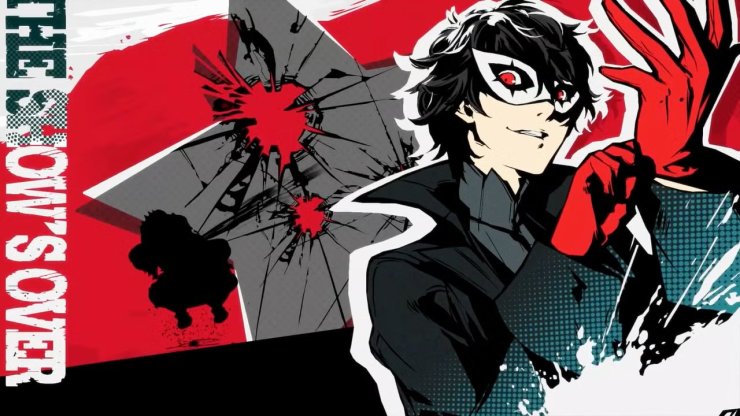
Netflix has greenlit a live-action television adaptation of the popular Persona video game franchise from Atlus and SEGA. The project involves production companies 21 Laps, known for Stranger Things, and Story Kitchen, behind the Sonic the Hedgehog films. Christopher Monfette, who worked on Star Trek: Picard, will serve as showrunner, writer, and executive producer.
The Announcement Details
The announcement comes from recent reports, with additional executive producers including Shawn Levy, Dan Levine, and Robert Atwood from 21 Laps, along with SEGA's Toru Nakahara. The series remains in early development with no confirmed details on which specific game it will draw from or any plot points.
What Makes Persona Special
Persona has built a dedicated following through its blend of everyday Japanese high school life, deep character relationships via social links, and supernatural battles where protagonists summon Personas to confront inner shadows and external threats. The games explore themes of identity, rebellion against societal pressures, psychological depth drawn from mythology and Jungian ideas, and mature elements including violence, abuse, and personal trauma. These aspects have resonated strongly with players who value the original cultural context and narrative integrity.

Concerns Over Netflix's Approach
However, Netflix's track record with adaptations raises serious doubts. The streamer has repeatedly adjusted stories, characters, and themes to align with contemporary audience expectations, often at the expense of the source material's essence. Examples include significant plot and character shifts in live-action projects that prioritized modern sensibilities over faithful representation.
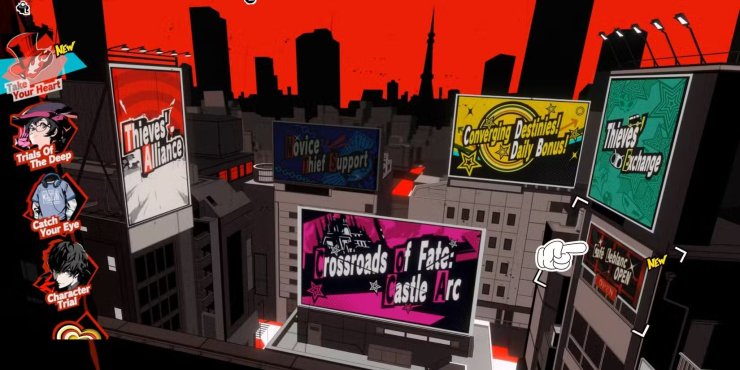
In the case of Persona, concerns center on likely changes to the Japanese setting and cast. Productions frequently introduce diverse Western actors and alter cultural specifics to broaden appeal, which could strip away the authentic high school atmosphere and social dynamics central to the games. Themes of rebellion and self-discovery might be reframed or softened to fit current trends, potentially diluting the sharp social commentary and psychological intensity that define entries like Persona 5.
Mature content, including explorations of trauma and moral ambiguity, often gets toned down or reshaped in Netflix adaptations to avoid backlash or add layers of contemporary messaging. This pattern has frustrated fans of other properties who watched core elements get rewritten for broader, more inclusive narratives.
While the involvement of experienced producers from Stranger Things brings some production expertise, it does not guarantee respect for the original vision. Past game-to-screen efforts by Netflix have shown a tendency to favor spectacle and updated messaging over precise fidelity.
Fans of the franchise should approach this project with caution. Without strong commitments to preserving the cultural roots, character arcs, and thematic depth, the series risks becoming another example of Hollywood prioritizing modern audience preferences over what made Persona distinctive in the first place. Early development leaves room for course corrections, but history suggests otherwise.









Comments