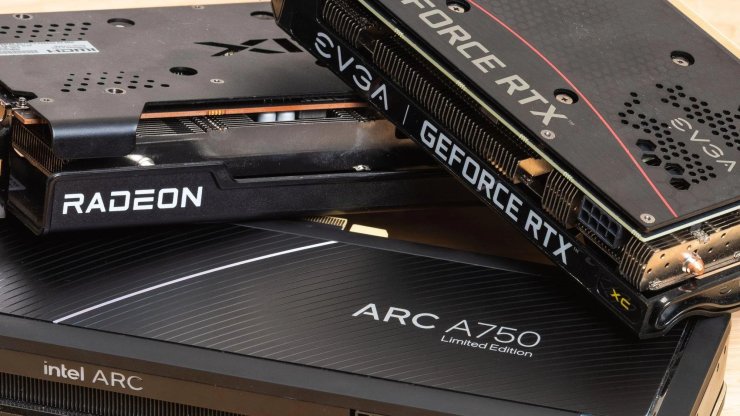
NVIDIA GeForce RTX 50-series graphics cards are seeing fresh price increases in China after major board partners MSI and Colorful raised their distributor pricing. The moves, detailed in recent channel price sheets, reflect higher manufacturing costs driven largely by surging GDDR7 memory prices and come as retail listings for the lineup already sit well above official suggested retail prices in many markets.
Price Increases from MSI and Colorful
MSI’s updated distributor documents, which list both prior and new prices, show increases ranging from roughly 8% to 20% across the RTX 50 lineup. The RTX 5080 Shadow 3X OC and Ventus models rose 20%, moving from 9,999 yuan to 11,999 yuan. RTX 5070 Ti cards climbed about 18% to 19.5%, while RTX 5070 models saw smaller gains of roughly 8% to 10%. RTX 5060 cards increased around 14% to 15%, and even entry-level RTX 5050 and 5060 Ti variants posted notable jumps.
Colorful’s lists do not include direct old-to-new comparisons in the same way, but the new prices put many models far above NVIDIA’s China MSRPs. Some premium RTX 5080 and RTX 5070 Ti configurations now sit as much as 59% higher than those base figures, with other cards showing premiums in the 40% to 50% range. These elevated levels partly reflect longstanding markups for factory-overclocked or better-cooled variants, but the latest adjustments add to the upward pressure.
Rising Memory Costs Behind the Hikes
The primary driver is the sharp rise in GDDR6 and GDDR7 memory costs. Demand from AI servers has tightened supply for consumer graphics cards, pushing memory module prices higher. NVIDIA has notified partners of corresponding increases in GPU kit pricing, with reports of roughly 600 RMB added for 8 GB configurations, 900 RMB for 12 GB, and higher amounts for 16 GB and above. Board partners such as MSI, Colorful, ASUS, and others have passed at least some of those costs along.
Global Market Effects and Buyer Outlook
These China-focused changes arrive against a backdrop of already elevated global street prices. High-end RTX 5090 cards, which launched at a $1,999 MSRP, frequently sell for $4,000 or more. RTX 5080 models often trade above $1,500, well clear of the $999 starting point. Similar pressures have affected AMD Radeon cards in the Chinese market, with some models up 14% to nearly 29%.
Industry observers note that the distributor hikes could signal broader adjustments outside China in the coming months if memory costs remain elevated. Analysts have pointed to possible further DRAM price climbs later in 2026. In the meantime, some retailers and smaller shops have been reported stockpiling inventory or adjusting listings in anticipation of additional increases.
For buyers, the situation means fewer opportunities to find RTX 50-series cards near official pricing. Performance remains strong, with the mid-range and high-end models delivering solid 4K gaming results, but the cost of entry continues to rise. Gamers watching the market are increasingly weighing delayed upgrades, used previous-generation cards, or competing options from AMD as the price environment stays challenging.















Comments