Understanding the fundamental rules of card play is rarely enough to guarantee consistent profitability at the table. Many players lose capital over time not because they lack basic knowledge, but because recurring execution errors degrade their overall expected value. Applying a structured poker strategy for beginners helps players identify common weaknesses and develop more disciplined decision-making habits. Eliminating systematic flaws often yields far higher financial returns than trying to master complex, high-level plays. This guide details fifteen critical strategic errors that undermine performance, outlining practical adjustments designed to protect your stack and refine your overall approach to modern competitive play.
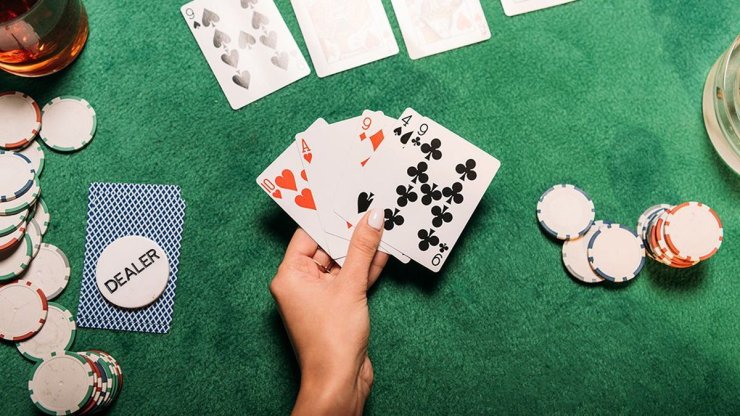
Why Poker Strategy Matters More Than Luck
While short-term results are influenced by natural card distribution, long-term outcomes are governed entirely by probability, disciplined risk control, and structured decision-making. Players who view the game purely through the lens of short-term variance overlook the compounding effect of sound technical choices. Executing a solid poker game strategy requires evaluating each situation objectively rather than relying on emotional intuition. Establishing consistent, positive expected value decisions allows dedicated players to smooth out variance and achieve steady profitability over thousands of deals.
15 Common Poker Mistakes That Cost Players Money
Addressing structural weaknesses requires systematically auditing your decision-making framework across every stage of play. Even experienced players can improve their results by identifying recurring patterns that negatively affect profitability. A clear understanding of Texas Holdem rules helps players evaluate situations correctly, avoid technical errors, and make decisions based on proper game mechanics. The following list highlights the most common mistakes that weaken performance and provides practical insights into how players can correct these issues and develop stronger habits at the table.
Ignoring Position
Acting early forces players to make critical choices without seeing how opponents respond. Disregarding relative seat location remains one of the most persistent poker strategy mistakes. Always tighten hand requirements in early seats and leverage late poker positions to gather maximum information before committing chips.
Playing Too Many Hands
Impatience often leads beginners to enter pots with weak, marginal holdings. Participating in too many deals steadily erodes chip stacks through small, avoidable losses. Developing tight pre-flop selection criteria forms the bedrock of an effective beginner poker strategy.
Overvaluing Weak Hands
Top pair with a weak kicker frequently looks strong on the surface, yet it regularly loses large pots against disciplined opponents. Over-committing to medium-strength hands leads to costly post-flop situations. Recognize when your hand is merely a marginal holding and keep pot sizes controlled.
Bluffing Too Often
Popular media portrays card play as a continuous series of high-stakes bluffs. In practice, excessive poker bluffing against opponent pools that rarely fold results in rapid capital depletion. Ensure every bluff targets specific hand ranges and fits the overall narrative of the board layout.
Never Bluffing
Conversely, playing completely passively makes your betting patterns entirely transparent. Opponents will easily fold when you show aggression and extract maximum value when you check. Incorporating selective, calculated semi-bluffs creates necessary balance in your operational profile.
Poor Bankroll Management
Playing at stakes beyond your financial capacity exposes your entire bankroll to natural statistical variance. Inadequate poker bankroll management creates severe psychological pressure, causing players to make cautious, sub-optimal decisions. Maintain a sufficient buy-in cushion for your chosen stakes at all times.
Playing Emotionally (Tilt)
Frustration following unexpected losses frequently causes players to abandon logic in favor of aggressive, reckless moves. Operating on tilt clouds objective judgment and accelerates losses. Recognizing emotional triggers and taking immediate breaks preserves both capital and mental focus.
Ignoring Opponents' Tendencies
Focusing exclusively on your own hole cards ignores crucial data about opponent behavior. Failing to observe betting patterns, showdown habits, and timing tells prevents you from exploiting player weaknesses. Continuous observation yields vital tactical advantages during critical pots.
Failing to Adapt
Applying a rigid, static approach across every table structure limits your overall effectiveness. Player pools vary significantly, requiring continuous adjustments between aggressive and conservative dynamics. An adaptable online poker strategy relies on constantly altering tactics based on table environment and stack depths.
Chasing Draws Without Proper Odds
Calling heavy bets to pursue incomplete hands without evaluating mathematical value represents a severe strategic flaw. Understanding poker odds ensures you only call when the potential return justifies the immediate cost, protecting your stack over the long run.
Predictable Betting Patterns
Using identical sizing for specific hand strengths allows observant opponents to read your holdings effortlessly. Varying your bet sizes and mixing your actions keeps opponents guessing, preventing them from making simple, accurate decisions against you.
Playing Without a Plan
Entering a pot without considering future street actions frequently leads to awkward, expensive post-flop dilemmas. Formulate a multi-street plan before committing chips pre-flop, anticipating how different board textures affect your overall range strategy.
Skipping Session Reviews
Failing to analyze past performance prevents players from identifying repeating tactical flaws. Regular hand analysis allows you to pinpoint recurring common poker mistakes and refine your technical execution outside active table hours.
Misunderstanding Pot Odds
Evaluating expected value requires comparing the current size of the pot directly against the cost of a contemplated call. Miscalculating these numerical ratios leads to mathematically unviable calls. Accurate poker decision making relies entirely on precise mathematical evaluation rather than speculative instincts.
Overconfidence After Winning
Short-term winning streaks can create a false sense of mastery, masking underlying strategic defects. Attributing variance-driven wins entirely to superior skill often leads players to jump to higher stakes prematurely. Maintaining structural poker discipline keeps your progress grounded in objective performance metrics.
How to Build Better Poker Habits
Before improving overall performance, players must transform strategic knowledge into consistent actions. Developing repeatable habits helps reduce emotional decisions, improve discipline, and create a more structured approach to long-term growth. Systematically eliminating strategic flaws requires implementing actionable daily routines:
- Conduct structured pre-session preparation to ensure complete mental focus before taking a seat.
- Maintain strict financial limits, allocating specific funds for dedicated sessions without risking core capital.
- Keep comprehensive session logs, tracking win rates, stake levels, and emotional state across all playing hours.
- Dedicate fixed weekly hours to reviewing hand histories and studying positional ranges to steadily improve poker skills.
For additional guidance on foundational rules, players can review core mechanics to reinforce their understanding of the game. Players looking for structured learning frameworks can consult comprehensive resources, while actively taking steps to eliminate costly poker mistakes from their routine play. Implementing practical poker tips into daily review habits guarantees continuous technical progress.
Poker Strategy
Sustained success at the table relies on consistent discipline, rigorous review habits, and the systematic elimination of recurring technical errors. While short-term variance affects individual hand outcomes, long-term profitability belongs to those who maintain emotional control, apply sound probability, and refine their operational execution continuously.
















Comments