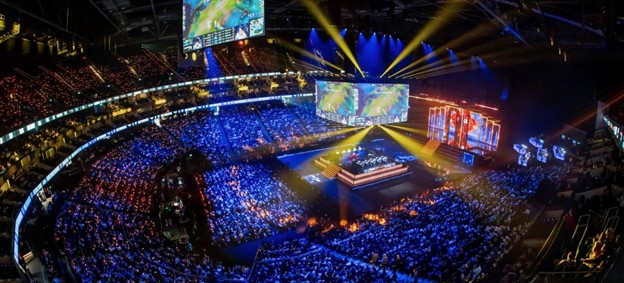
The growth of esports fans over the past few years has continued to rise; however, something changed with regards to fan participation in the last two or so years. Fans aren't simply viewing more, they are now able to participate in various ways that they had previously never been able to do. There is a type of community surrounding Esports events that is on par with the level of community seen in many of today's traditional sports leagues and top esports betting sites. Fans have also demonstrated an ability to spend money in a manner that is causing shock waves within the Entertainment Industry. By 2026, fan engagement in Esports will no longer be viewed as a trend. The shift will be viewed as a fundamental change in how this generation views competitions and entertains itself.
The Numbers Tell the Story
| Platform | Monthly Active Users | Avg. Watch Time | YoY Growth (2026) |
| Twitch | 140M+ | 95 min/session | +12% |
| YouTube Gaming | 120M+ | 80 min/session | +18% |
| TikTok (gaming) | 90M+ | 45 min/session | +34% |
| Kick | 30M+ | 70 min/session | +58% |
Interactivity Changed Everything
The primary factor in increasing the connection between fans and sports events is the interaction. A one-way experience is when you are passively watching a football game on your television. But when you watch a professional League of Legends match on Twitch in 2026, it will be an entirely different way to interact.
Viewers can now participate in:
- Special exhibition games where fans vote on what happens next (e.g., do they go left or right?).
- Integrated real-time prediction markets; viewers can predict outcomes of matches and receive rewards based on the accuracy of those predictions.
- Earning Channel Points from continuous viewing of content which may be redeemed for actual items (e.g. exclusive merchandise).
- Taking part in live polls to affect broadcasting decisions.
- Engaging with tens of thousands of other viewers at once in chat rooms.
Interaction of this scale will create a new type of relationship between the fan and the event. As a viewer has invested emotionally in whether a particular player gets a clutch round, so too does retention follow. All platforms that have created similar interactive elements have measured increased session times versus comparable passive viewing experiences.
Communities Built Around Content, Not Just Teams
While traditional sports fans identify with their city and/or their favorite professional sports team, esports fans tend to connect on a much more fragmented and individualized basis. Fans may choose to support one particular streamer regardless of what team he plays for; discuss strategies related to different competitive games (regardless of what those particular games' competitive scenes are called); or become immersed in a specific community within a competitive game's Discord chat.
This does NOT represent a limitation in how esports fans create enthusiasm for their respective "teams." It represents an opportunity!
The overall scope of content surrounding competitive esports is massive. For each hour of actual competition (live tournaments) there exists dozens of hours of:
- Video On Demand review and coaching breakdowns by top professionals in the competitive gaming space
- Discussions about which competitive games have the best tier lists, which patches will affect playstyles, etc. created by content creators
- Highlight reel clips and clip culture based on social media shareability
- Team behind-the-scenes videos and other lifestyles of pros
- Roster move podcasts and talk shows focused on current issues within leagues
Mobile Is Closing the Gap
The fact that an individual would need a Desktop computer to be involved with Esports (as a player or watcher) was always a major criticism regarding Esports engagement. This major obstacle no longer exists. Titles such as MLBB, Free Fire, and PUBG Mobile are extremely successful competitive games on mobile devices. More specifically, the majority of competitive scenes for these types of titles can be found in various parts of Southeast Asia, South Asia, and Latin America. In addition to this, these regions represent a significant portion of the total viewership increase of the global Esports scene.
Furthermore, mobile consumption of live streams has also increased. According to a survey conducted in 2025, approximately 41% of Esports viewers aged less than 25 view Esports content exclusively on their mobile devices. Additionally, apps from Twitch, YouTube and other local platforms have become comparable to desktop viewing experiences when it comes to chat functionality and interaction capabilities. An individual watching Esports on their way home from work on their mobile phone and commenting on what they are seeing while it occurs is just as likely to be "engaged" (in terms of most metrics) as someone watching Esports at their desk.
What This Means Going Forward
Esports fan engagement will be high in 2026 as it has developed into a superior form of engaging with and retaining people's interest. All aspects of the esports experience (interactivity, content volume, mobile access to content, etc.) have become better over time. Those organizations involved in esports who have come to realize this fact will create engagement loops (i.e., encourage users to continue using their products) for their customers through multiple engagements such as watching live events on streaming services, viewing VODs, participating in online tournaments, etc. Fans can therefore now participate in a product which is created for them by providing continuous interaction opportunities while rewarding continued use of the product and giving fans control of their level of participation.






Comments